


You step off the train into Mumbai’s humid air, the city’s pulse immediate and unrelenting. Rickshaw horns cut through the morning haze as you move past colonial colonnades, street hawkers, and the shifting faces of a city layered with stories. In the dense tangle of Colaba’s markets and the shadowy alleys of the slums, you sense the precarious dance between hope and desperation. The city draws you in with its contradictions—decay and renewal, anonymity and sudden intimacy—each corner revealing a new facet of survival and longing.
The journey carries you beyond Mumbai’s crowded heart, past the slow-moving ferries at Gateway of India to the temporary sanctuary of Marine Drive’s sunset curve. Here, the Arabian Sea stretches to the horizon, and for a moment the city’s noise softens into salt air and distant laughter. You board a bus south, following the railway lines and red earth roads that wind along the Konkan coast. In small towns like Chiplun and Ratnagiri, chai stalls and faded Portuguese churches mark the passage of time, and the land’s green quietness feels at once foreign and forgiving. Each stop along the way is shaped by encounters—shared meals, wary glances, kindness offered without question.
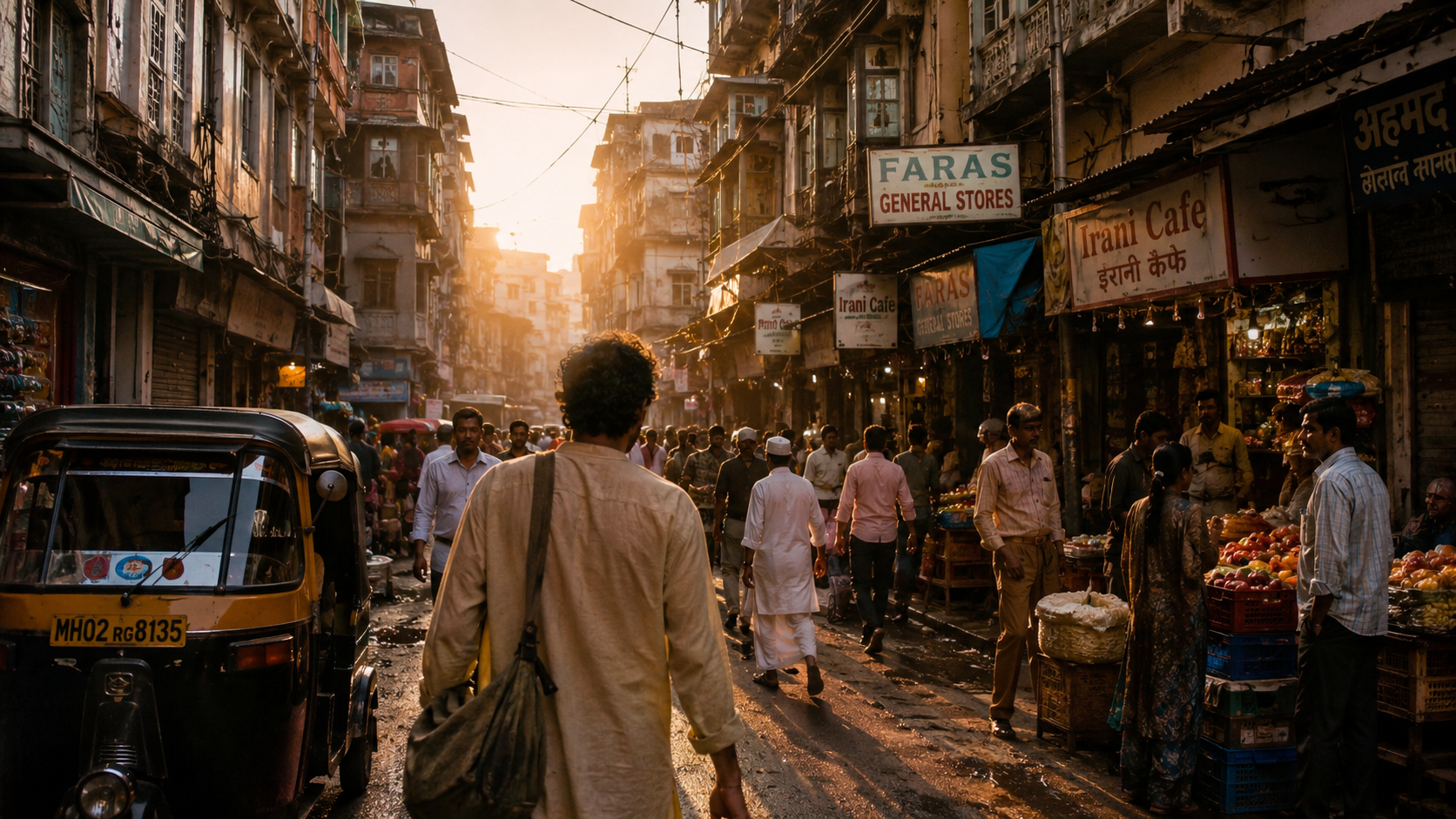
Colaba Causeway, Mumbai
Colaba’s streets are a living mosaic—old Irani cafés, lingering British architecture, and the relentless energy of traders and travelers. You notice how the air shifts from the spice-laden warmth of street stalls to the cool, musty calm inside Leopold Café, a place that has seen revolutionaries, exiles, and wanderers. The causeway’s past intertwines with the present in every conversation, from the whispers of ancient smuggling routes to the laughter echoing after dusk. As you walk, the city’s promise and peril seem inseparable, and you feel both invisible and deeply seen.
Somewhere in the crowd, you realize you’ve become part of the story.
If you want to experience this in real life: Walk the Lanes of Colaba’s Past
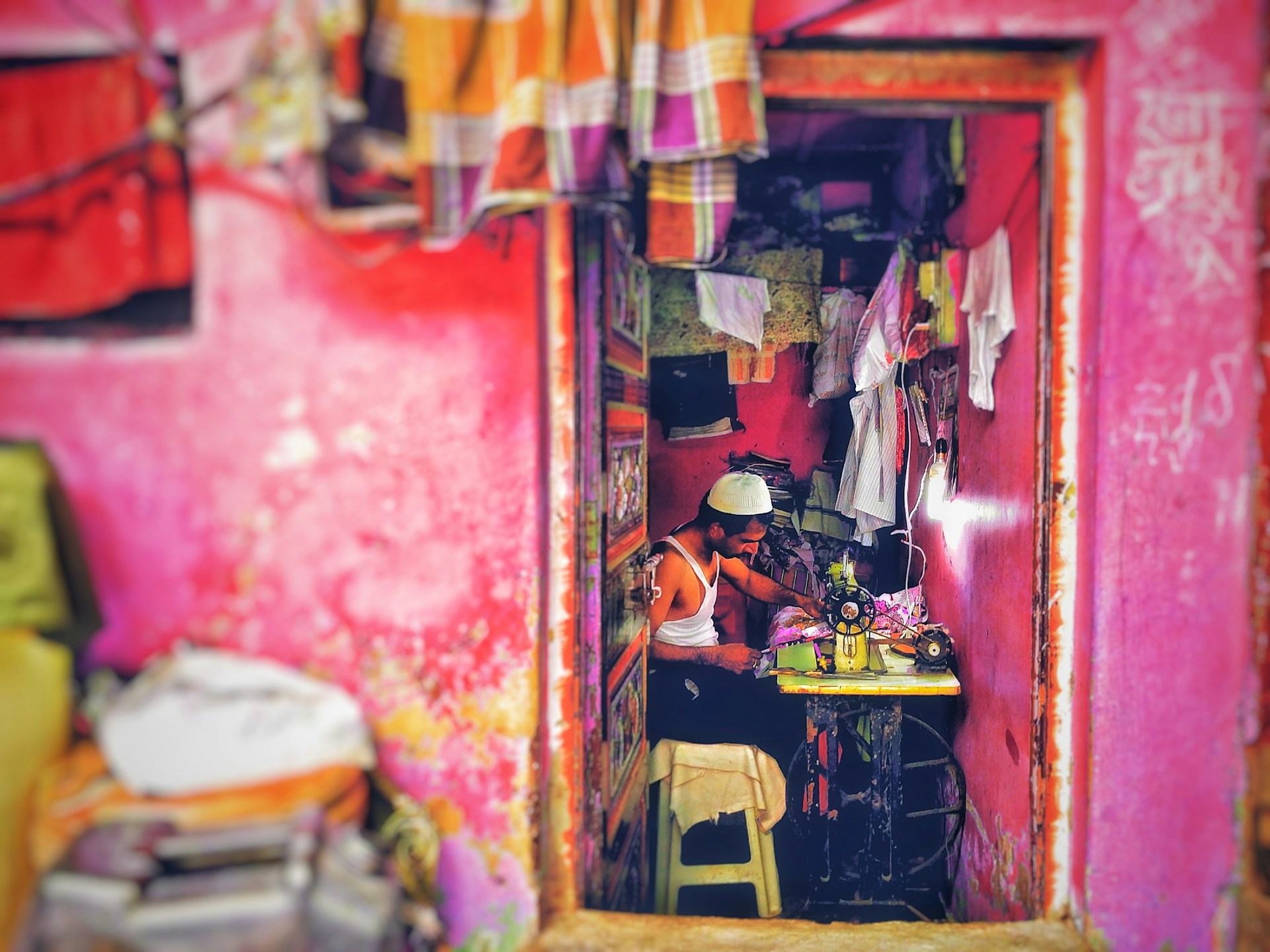
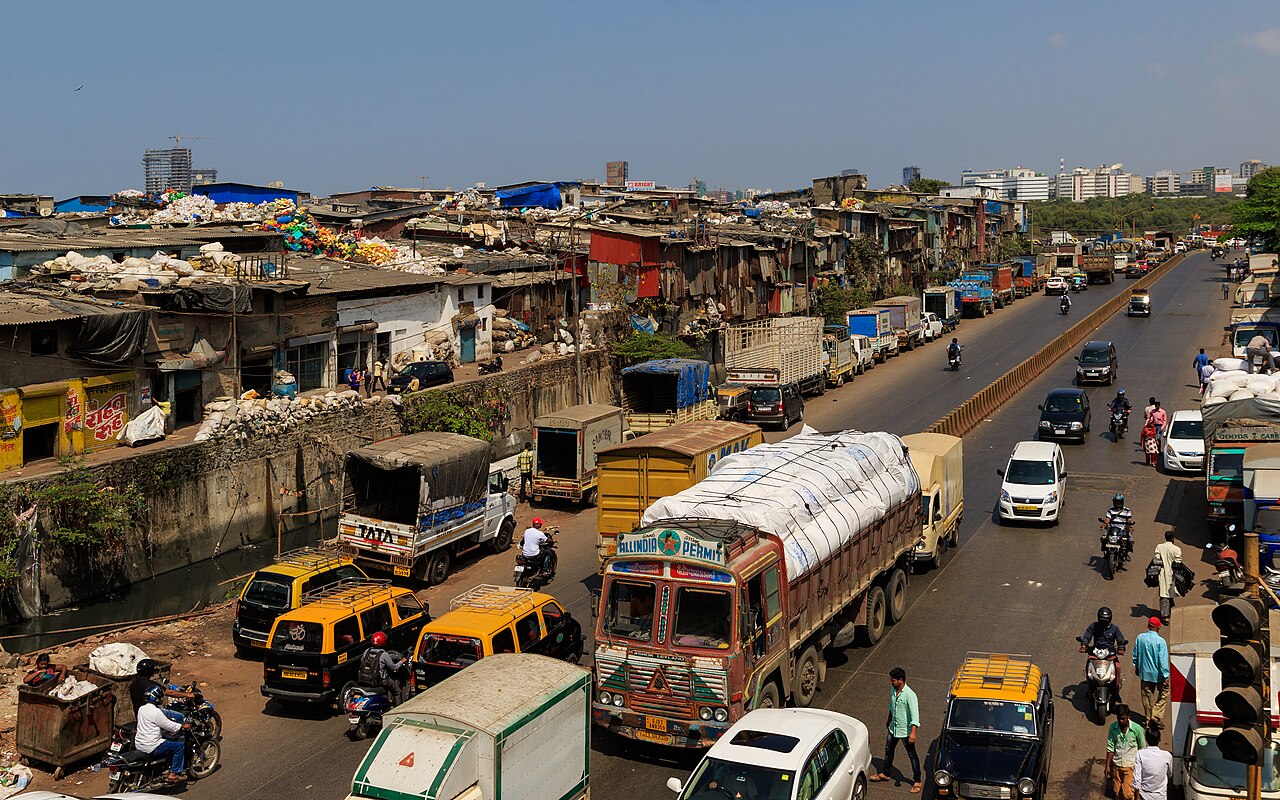
Dharavi Slum, Mumbai
In Dharavi, the world contracts and expands with each narrow alley. Here, the scent of tanneries mixes with the comfort of home-cooked meals, and the ingenuity of daily life is everywhere: recycled plastic sorted in open courtyards, children weaving through mazes of corrugated roofs. This is a place defined not by poverty alone, but by resilience—families building futures from fragments, strangers offering chai and stories. The history of migration and the constant reinvention of identity are tangible in every patched wall and painted shrine.
You sense the strength it takes to survive—and to trust.
If you want to experience this in real life: Encounter the Resilience of Dharavi
Leopold Café, Mumbai
The wooden chairs at Leopold Café scrape against terrazzo floors, and the walls remember every revolution and riot. Travelers and locals blend in a timeless hum, secrets exchanged over beer and paratha. Once a refuge for those on the run, it holds an unspoken code of belonging—a microcosm of Mumbai’s openness and unpredictability. Historical events, from the British Raj to the 2008 attacks, are etched into its very fabric, making it a living testament to survival and community.
Here, you feel the city’s heartbeat slow, just for a moment.
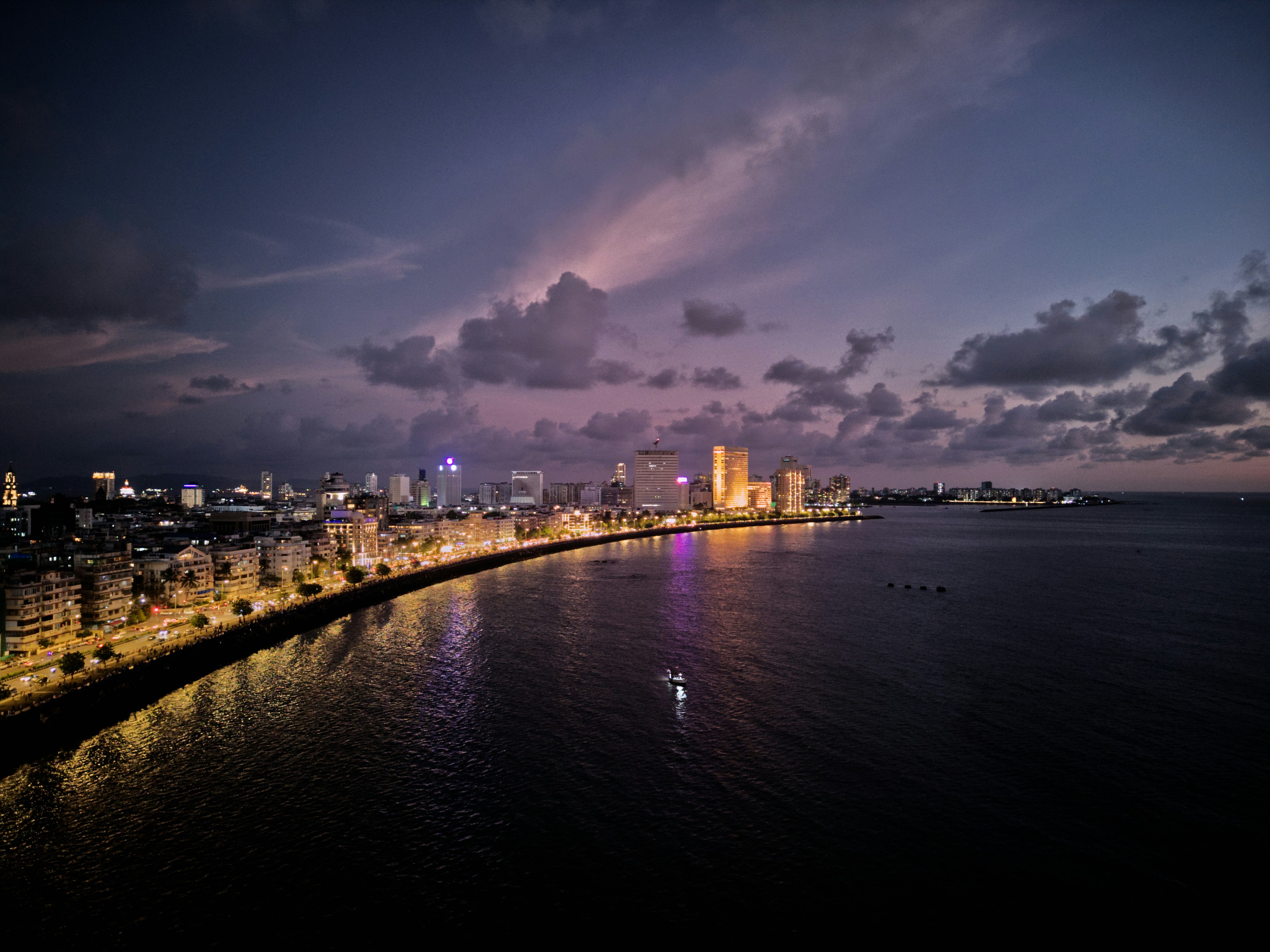
Marine Drive, Mumbai
The arc of Marine Drive glows in the evening, lanterns flickering as couples and families gather along the sea wall. You sit with locals, sharing roasted peanuts and stories that stretch with the tide. The view links the city’s past to its present—the art deco facades, the sweep of the Arabian Sea, the lingering memory of freedom struggles and film legends. Marine Drive is both escape and connection: a place where the city breathes, and where you sense your own place within its restless embrace.
Here, the horizon feels wide enough for any dream.
If you want to experience this in real life: Watch the Lights Drift at Marine Drive
Chiplun
Chiplun’s railway station opens to a landscape of emerald rice paddies and red laterite soil. The town is a quiet pause, shaped by the slow rise of monsoon mists and the music of temple bells at dawn. Chiplun’s markets mix Konkani spices with Portuguese sweets, a reminder of centuries of trade and migration. You find yourself welcomed into roadside dhabas, where stories flow as easily as tea, and where the memory of travelers from generations past lingers in the air.
Here, hospitality is simple, immediate, and without condition.
Ratnagiri
Ratnagiri’s windswept beaches and mango groves carry stories of exile and return. The exiled freedom fighter Bal Gangadhar Tilak was once imprisoned here, and the town’s forts and lighthouses still watch over the Arabian Sea. In the old port, fishing boats rock beside Portuguese-era warehouses, and you taste the salt and sweetness of coastal life. The landscape is as much about endurance as beauty—monsoon clouds, swaying palms, and the perpetual movement of those searching for home.
Some memories, like the sea, linger long after you leave.
Dudhsagar Falls
The train slows as you approach Dudhsagar, where the river pours in a white torrent over jungle cliffs. Mist hangs in the air, and the sound of rushing water drowns out conversation. Local legend paints the falls as the milk of the gods, a place of cleansing and passage. You watch travelers and pilgrims alike pause here, faces upturned, as if hoping for some small absolution before the journey’s end. The forest, ancient and tangled, is a reminder that nature’s stories endure beyond any one traveler’s path.
At Dudhsagar, you feel both small and fiercely alive.
If you want to experience this in real life: Feel the Thunder at Dudhsagar Falls
Fontainhas, Panjim (Goa)
In Panjim’s Fontainhas quarter, you wander through pastel lanes under bougainvillea and drying laundry. The faded blue and yellow houses of Goa’s old Latin Quarter recall another world—echoes of Fado music, Catholic shrines, and the memory of Portuguese rule. Here, time slows, and you pass artists sketching by open windows and grandmothers telling stories in Konkani. The scent of vindaloo drifts from kitchens, and history feels close enough to touch. Fontainhas is both exile and homecoming, a place for those who understand what it means to belong in between.
In these quiet streets, you find a kind of gentle forgiveness.
If you want to experience this in real life: Wander the Lanes of Fontainhas
Anjuna Beach, Goa
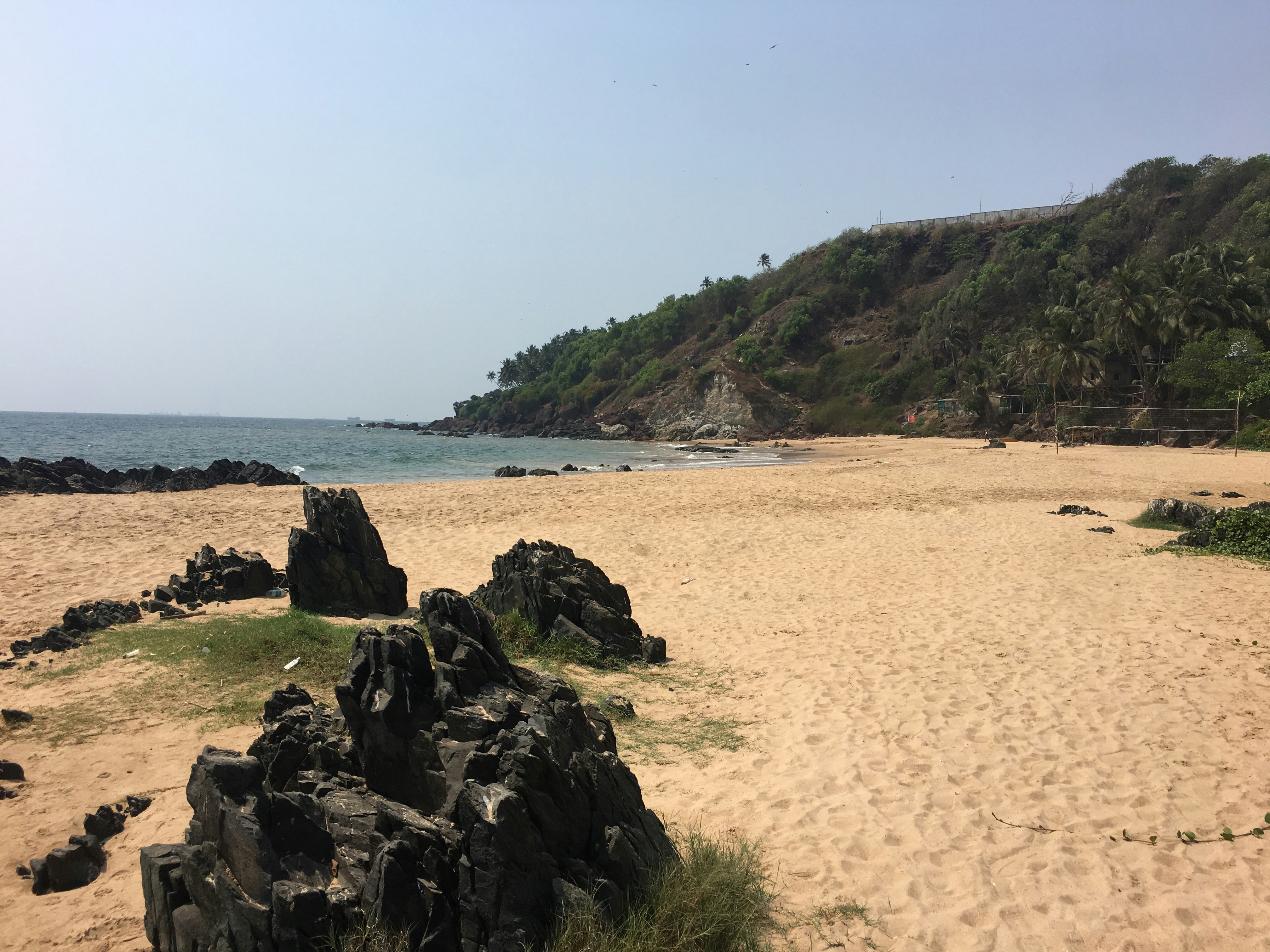
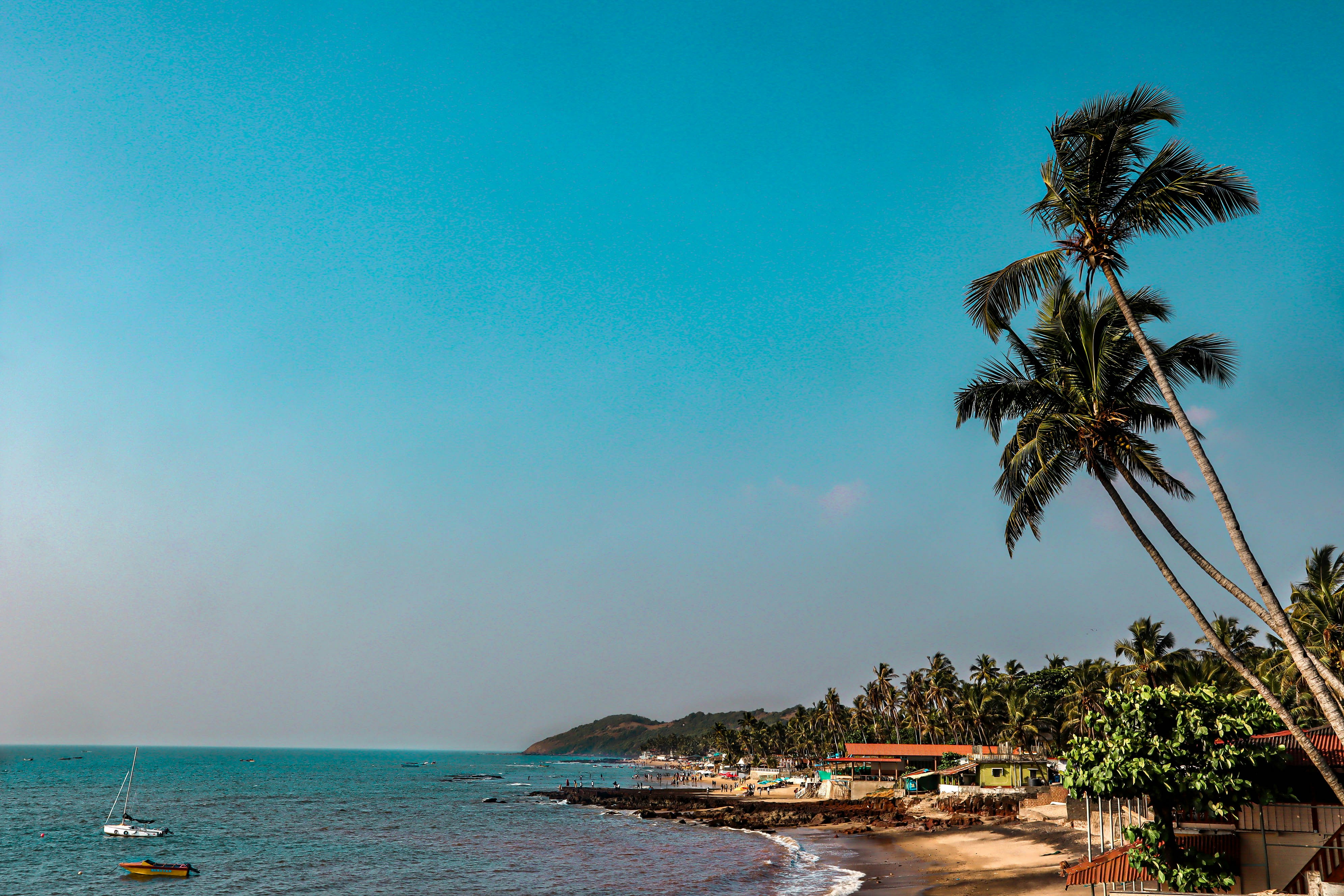
Anjuna’s shoreline is restless, framed by black rocks and swaying palms. Hippie markets spill into the sand, and trance beats drift on the breeze, a legacy of exiles and seekers from across the world. You watch fishermen haul in the morning catch as the sun climbs over the horizon, and later join the crowds watching the sky fade from gold to indigo. Anjuna has always been a place of reinvention—a space to disappear, to begin again, or to find yourself among strangers who ask nothing of you but honesty.
On this shore, you accept that freedom can mean starting over.
If you want to experience this in real life: Begin Again at Anjuna Beach
Βοοκ Quotes
“Sometimes fate is like a small sandstorm that keeps changing directions.”
“The truth is a bully we all pretend to like.”
“Every city is a story, but in Mumbai, the stories never end.”
“Friendship is the only real currency.”
“You are only as free as you decide to be.”
“Suffering is a gift. In it is hidden mercy.”
“Home is not a place, but a feeling you carry.”