

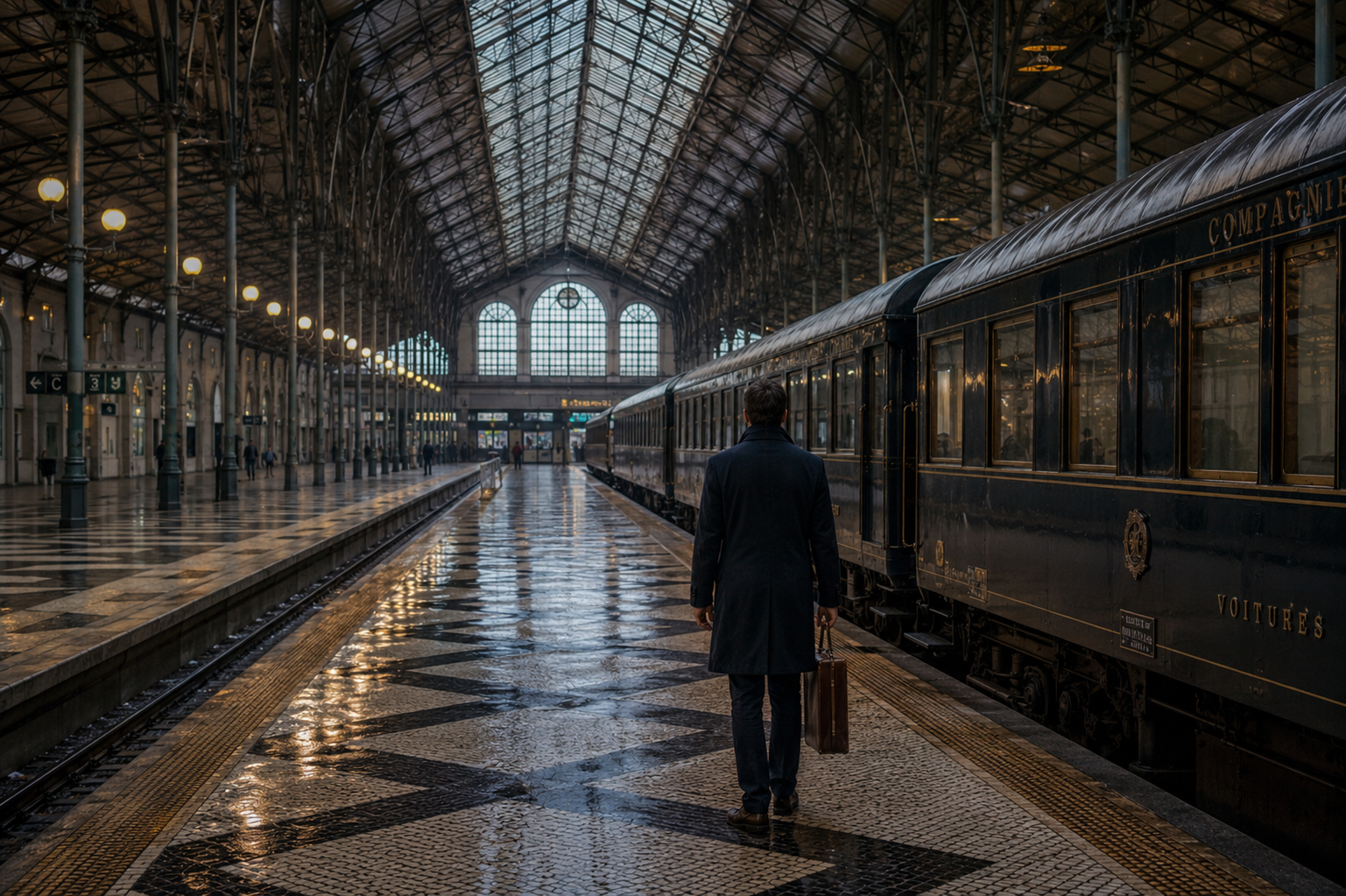


The rhythm of the train pulls you from the known into the unknown, the world outside your window shifting from the ordered calm of Switzerland to the sun-softened horizons of Portugal. Each mile is a slow unspooling of anticipation, the landscape a living tapestry where borders blur and histories quietly surface. You notice how the light changes, how the language murmurs shift, how the air itself begins to feel charged with stories that have waited too long to be heard.
Arriving in Lisbon, you are greeted by the city’s restless soul—cobblestones echoing with the steps of poets, faded façades holding the weight of untold lives, the scent of coffee rising in tiled alleyways. But the journey does not linger here; it moves, as you do, into smaller towns, forgotten libraries, riverside stations where time slips and the past presses close. Each new place brings fragments of lost resistance, philosophical longing, and the quiet heroism of ordinary people whose stories ripple through the air, waiting for someone—perhaps you—to notice them.
Bern Railway Station
There is a certain melancholy in Bern’s Hauptbahnhof, especially in the early morning when the city is still half asleep. Here, you sense the initial rupture—a place where journeys are chosen or abandoned. The station’s history stretches back to the 19th century, a gateway for countless departures shaped by Switzerland’s neutrality and its crossroads in Europe. Look past the commuters and you may spot the old waiting room, echoing with the introspection that marks so many beginnings. Bern’s reserved elegance conceals a quiet resilience, a city that has watched generations leave and return, each carrying stories stitched into the fabric of their lives. Step onto the platform and you feel the weight of possibility, the sense that you are not only leaving a place, but a version of yourself behind.
The moment you board, everything familiar recedes, and the journey begins in earnest.
Night Train Zurich–Lisbon
The hum of the night train lulls you into a space between waking and dreaming, crossing borders while your thoughts drift. This route, once vital for exiles and thinkers fleeing the turbulence of the 20th century, still feels haunted by the ghosts of those who travelled it seeking safety or meaning. Compartments become confessionals, corridor windows frame fleeting villages, and the shared silence is punctuated by distant station bells. The journey across France and Spain, before Portugal’s dawn, is a slow meditation on movement itself—each station a threshold, each hour a quiet reckoning with what you carry and what you leave behind.
Somewhere between stations, you sense the world is changing, and so are you.
Santa Apolónia Station, Lisbon
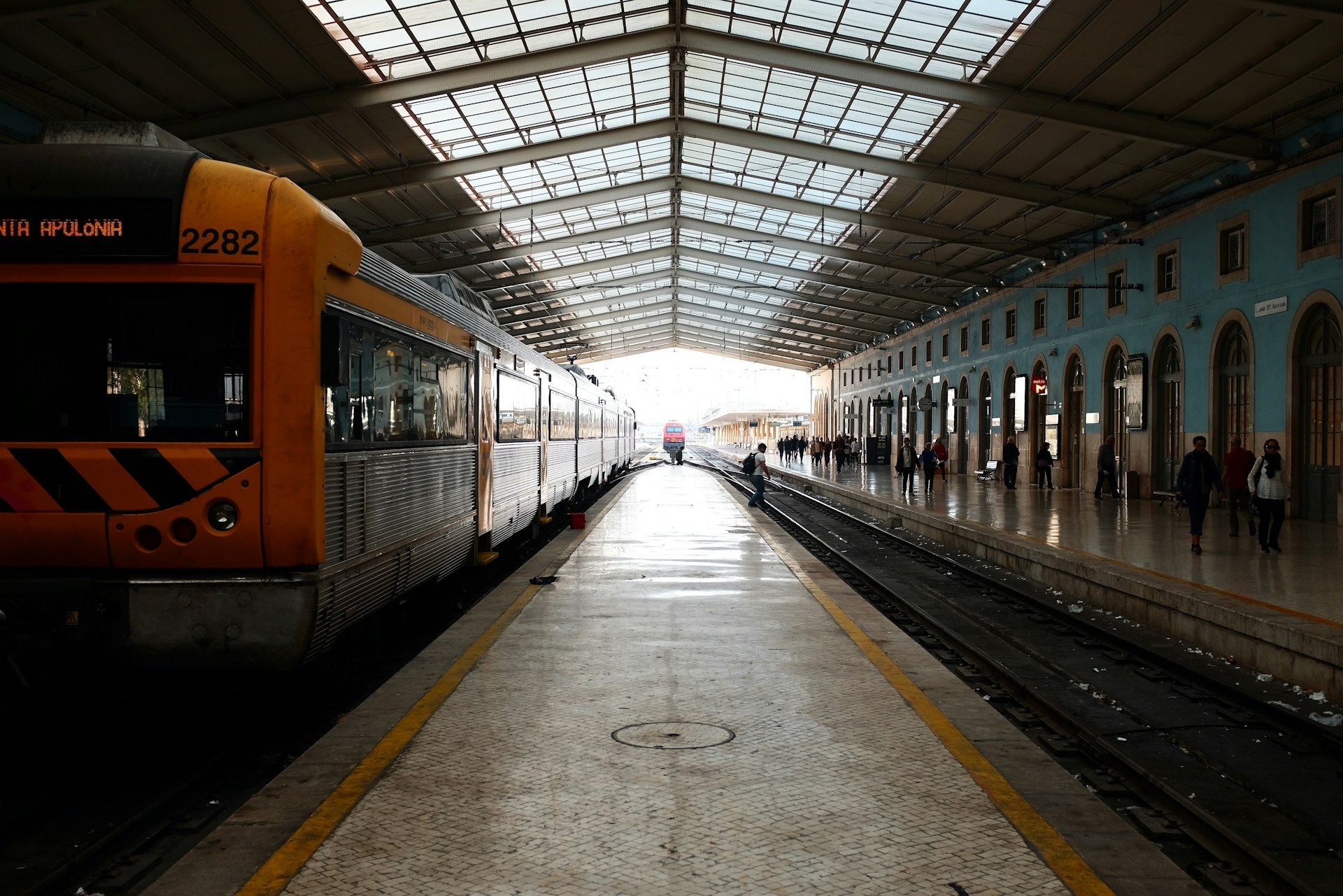
Stepping onto the platform at Santa Apolónia, you are struck by the blue light filtering through high glass windows, the centuries-old station breathing with stories of arrivals and departures. Built in the 1860s on the banks of the Tagus, this is Lisbon’s oldest railway station—a silent witness to waves of emigration, political change, and the tides of hope and loss that define much of Portugal’s modern history. The faded grandeur of its halls feels poignant, as if the city itself waits to see who will walk out its doors. Here, you feel the gravity of arrival—Lisbon’s melancholy beauty pressing close, inviting you to linger, to listen, to begin again.
In the hush between trains, you sense the city’s heart, beating quietly for those who pause to hear it.
Rua Garrett & Bertrand Bookshop
Wandering up Rua Garrett, your feet echo on stones polished by centuries of footsteps. At Bertrand, the world’s oldest operating bookstore, you slip between shelves heavy with history and possibility. The shop has survived earthquakes, dictatorships, and revolutions, its rooms a sanctuary for writers and rebels alike. Lisbon’s literary heart beats here, where Fernando Pessoa once lingered and where stories are traded in whispers. In this quiet, you realize how literature and resistance are intertwined in Portuguese life. The city’s intellectual ferment is not in grand monuments but in the humble persistence of places like this—where questions are not just asked, but lived.
Surrounded by books, you feel the pulse of Lisbon’s soul—curious, restless, enduring.
Bertrand Bookshop in Chiado Official Website
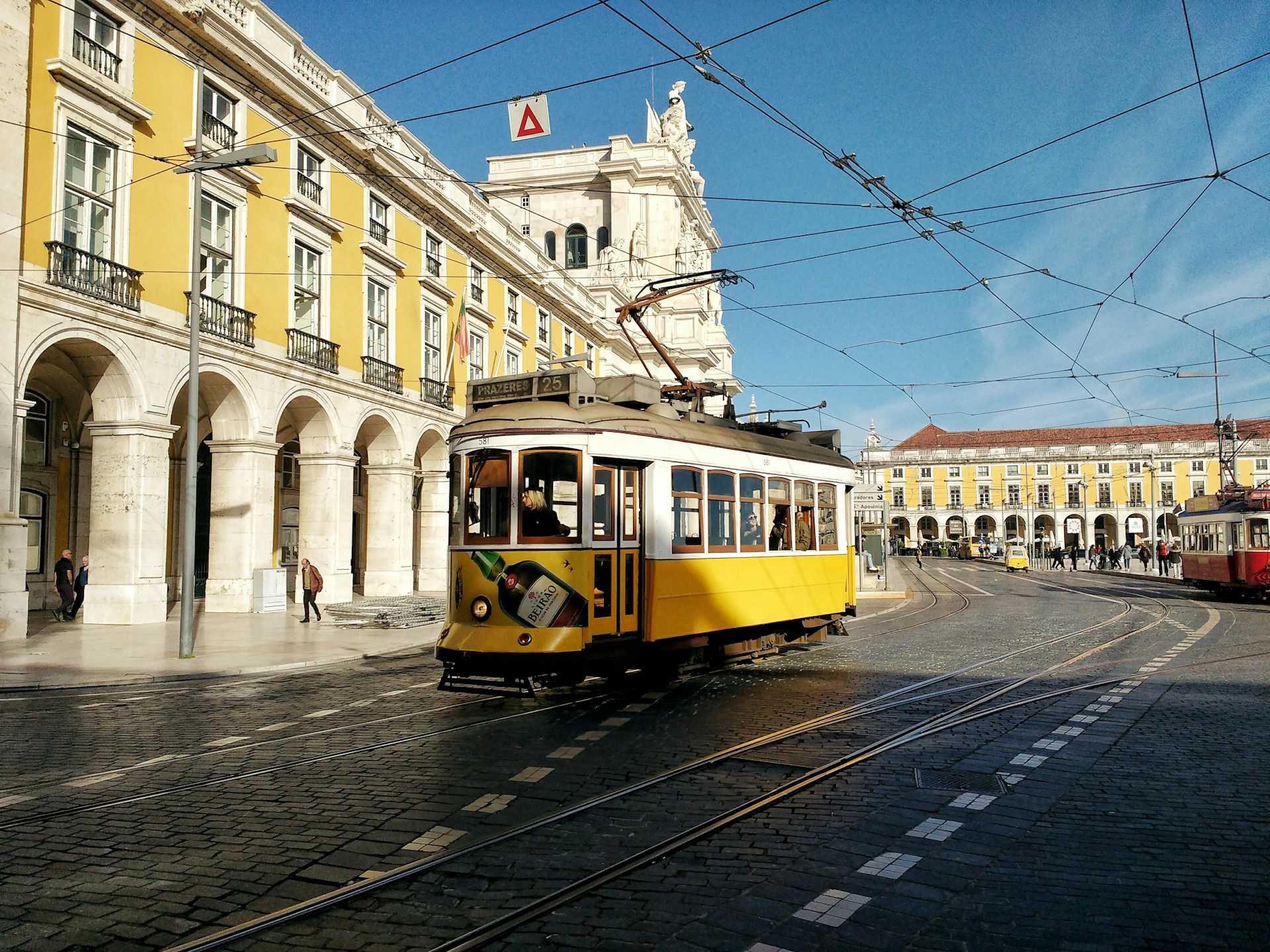
Praça do Comércio
Stepping into the vast expanse of Praça do Comércio, you feel the openness of a city that has rebuilt itself from disaster. Once the seat of royal power, then devastated by the 1755 earthquake, this square became a symbol of Lisbon’s resilience and reinvention. Yellow arcades glow in afternoon light, the Tagus sparkles beyond, and the air is thick with memories of protests, celebrations, and departures to the New World. The statue of King José I, mounted and inscrutable, stands as a reminder of Portugal’s imperial past—yet the square’s energy is democratic, open to all who cross it. The space invites reflection on what is lost, what endures, and what can be remade.
Here, you sense Lisbon’s courage—to mourn, to rebuild, to imagine new beginnings.
If you want to experience this in real life: Walk Through Lisbon’s Living Square
Alfama District
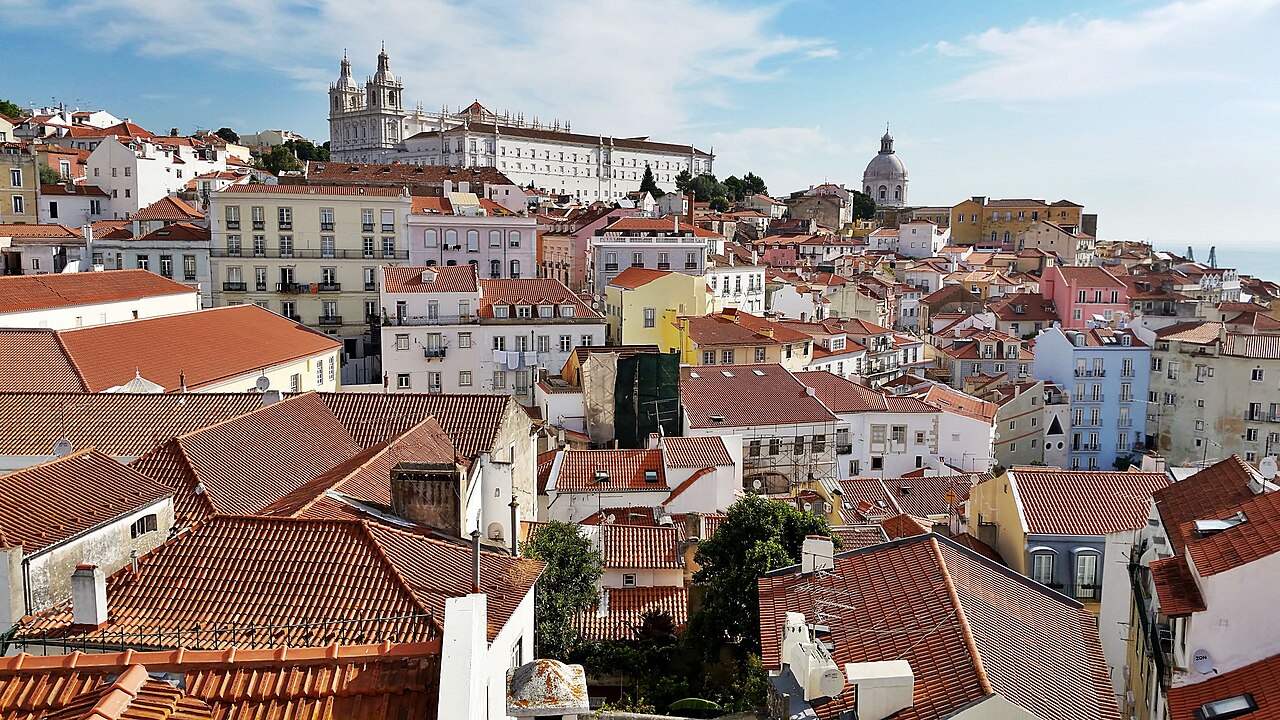
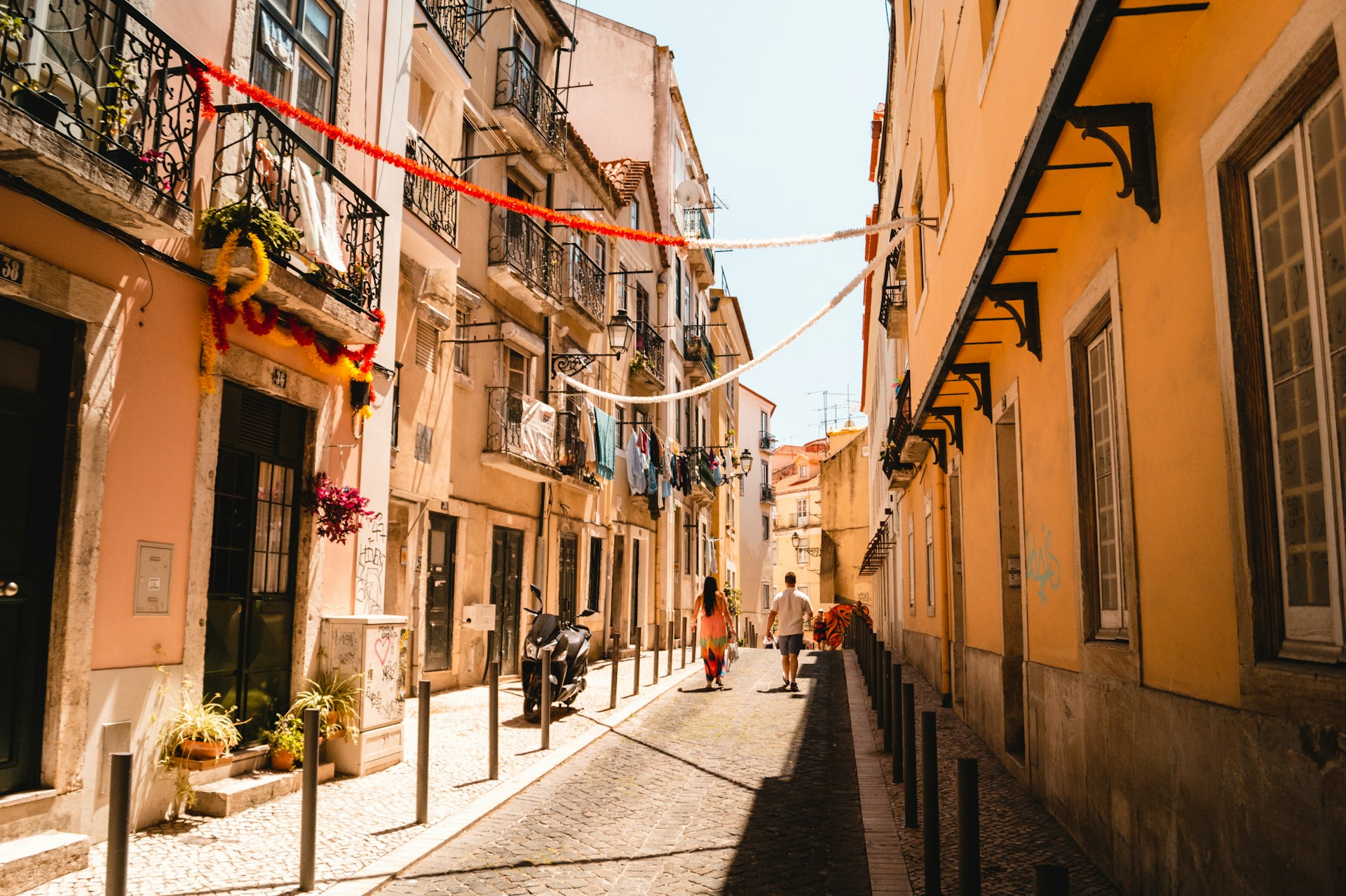
Alfama’s labyrinth of narrow streets and laundry-strung balconies draws you into Lisbon’s oldest soul. Here, Moorish foundations and medieval alleys preserve a sense of the city before the earthquake, where Fado music drifts from tiny taverns and neighbors greet each other by name. The district’s resilience is tangible: Alfama survived not only disaster but also decades of dictatorship, quietly nurturing the spirit of resistance and community. This is where you feel history beneath your feet, where every corner reveals both hardship and hope. Alfama’s grit is not nostalgia—it is a living testament to Lisbon’s power to endure, adapt, and sing its sorrows and joys aloud.
In Alfama, you understand that memory is not just kept—it is lived, every day.
If you want to experience this in real life: Lose Yourself in Alfama’s Hidden Songs
Coimbra University Library
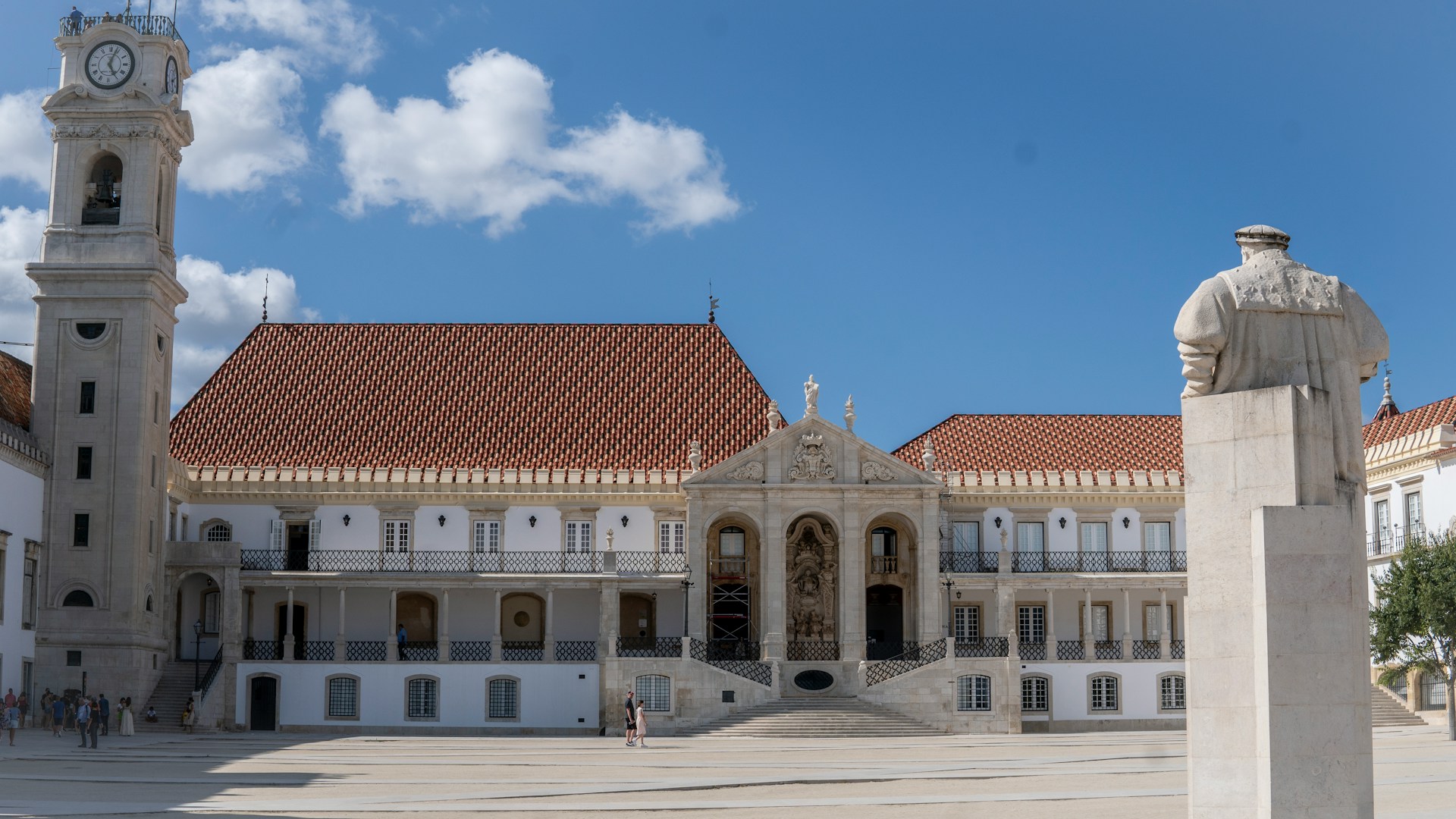
In Coimbra’s Biblioteca Joanina, you enter a sanctuary of knowledge, the air scented with centuries-old parchment and beeswax. Baroque woodwork and gilded ceilings evoke Portugal’s golden age of exploration, but the library’s endurance through censorship and dictatorship tells a subtler story. Scholars here risked everything to preserve books banned by the Estado Novo regime, quietly resisting cultural erasure. The library’s resident bats, allowed to stay to protect ancient books from insects, offer a quiet symbol of the unexpected alliances that safeguard memory. Surrounded by volumes, you sense the fragility and resilience of truth, and the unbreakable thread between past and present.
Among the shelves, you feel the weight and hope of questions that never truly vanish.
If you want to experience this in real life: Read Between the Lines in Coimbra
.jpg)
Convento de São Pedro de Alcântara, Lisbon
High above Lisbon, the Convento de São Pedro de Alcântara offers a vantage point both literal and symbolic. Once a quiet monastery, now a miradouro (viewpoint) beloved by locals, it has witnessed the city’s upheavals and transformations. During the Carnation Revolution, students and activists gathered in nearby streets—reminders that even serene places can be charged with the electricity of change. The convent’s cloisters provide a space for reflection, the city unfurling below as a living, breathing palimpsest. You stand at the railing, the wind carrying distant church bells—feeling both the weight of history and the lightness of possibility.
From here, Lisbon’s past and present seem to breathe together in one long, hopeful sigh.
Campo de Ourique Cemetery
At the edge of Lisbon, Campo de Ourique Cemetery is a landscape of memory—rows of mausoleums shaded by cypress trees, the air tinged with the salt of the Atlantic. Here, the stories of ordinary citizens lie quietly beside those of poets and political exiles. The cemetery’s 19th-century origins reflect a time of urban expansion and change; during the Estado Novo regime, it became a resting place for those denied official recognition. Walk the paths and you find inscriptions that speak of love, loss, and resistance. This is not just a place of endings but of unfinished conversations, a reminder that history lives on in those who remember to look beyond the surface.
In the hush of marble and stone, you hear echoes of lives that shaped the city’s conscience.
Film Quotes
Sometimes the train you miss is the one that changes you most.
Questions are bridges, not walls.
To lose yourself is sometimes to find what matters.
History is written not just in books, but in silence.
Only those who step off the platform can enter the story.
In Lisbon, every shadow has a memory.
The journey is not what you escape, but what you become.




.jpg)