



Dawn breaks along the shore as you set out from a weathered port, the first hints of sunlight glinting off ancient stones and restless water. The air carries the scent of salt and old wood, and the gentle commotion of fishermen preparing their boats mixes with your own anticipation. You linger at the edge of the quay, feeling the weight of stories traced in every mooring post and cobblestone—a sense that here, departures and arrivals are never just physical, but emotional crossings as well.
The journey sweeps you from bustling harbors to quiet inlets, each stop revealing a new layer of the coastline’s character. In a sun-warmed village, faded murals and crumbling watchtowers tell of centuries when sailors once navigated by instinct and hope. You wander through narrow lanes, pausing in shaded courtyards where locals gather, their voices low, the rhythms of daily life unchanged by time. The atmosphere shifts with the light—sometimes sharp and brilliant, other times softened by mist—mirroring the uncertainty and longing that thread through every true sea voyage.
Cádiz Old Port
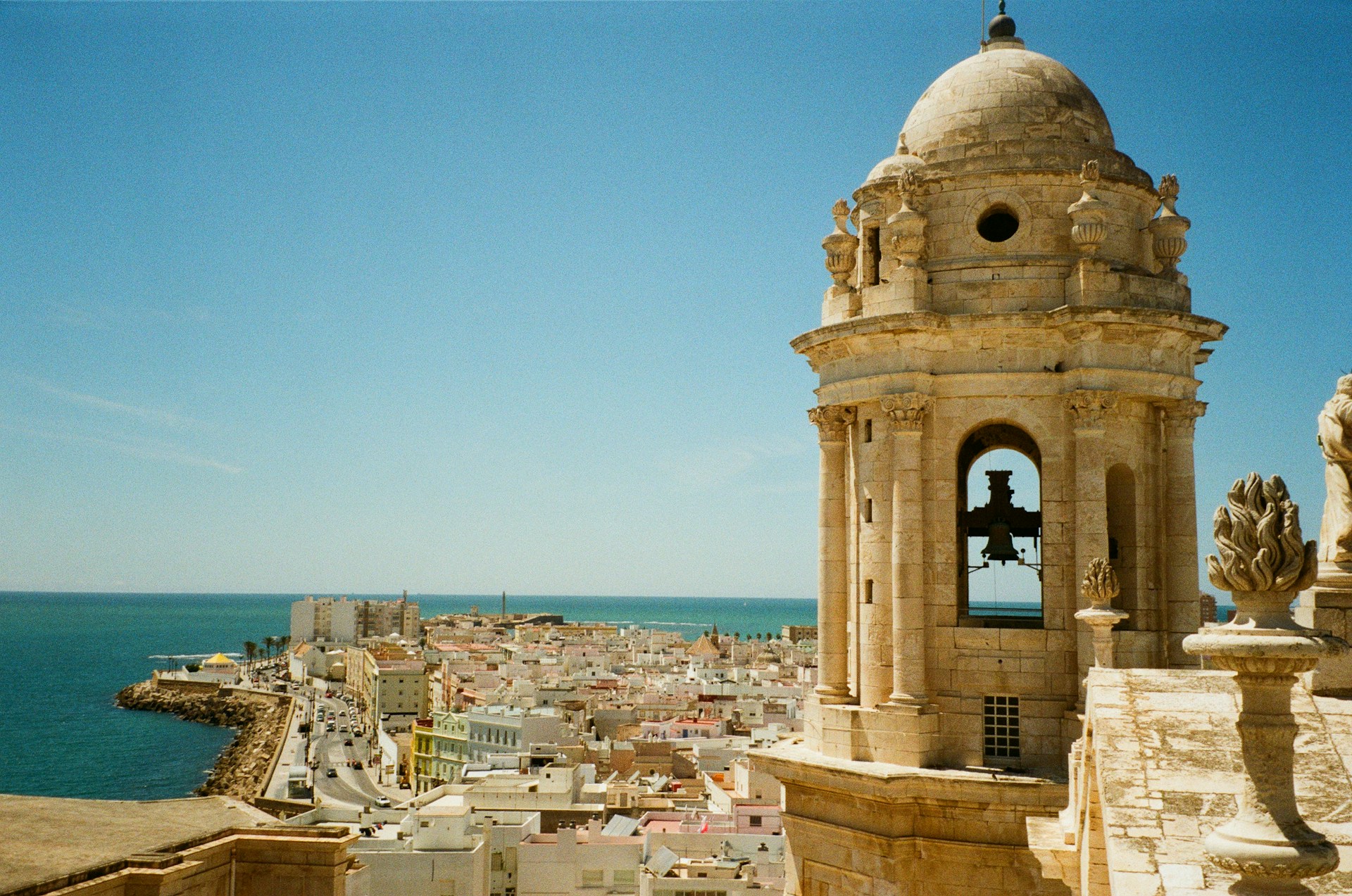
Walking the length of Cádiz’s ancient port, you hear the echo of sailors’ voices and the slap of waves against stone. The port’s history is written in its architecture: Roman walls, Moorish arches, and Spanish fortifications layered over centuries of maritime trade. Here, explorers set out toward the unknown, their journeys shaping the city’s fortunes and its legends. Local fishermen still mend nets at dawn, keeping alive traditions older than memory. The salty air sharpens your senses, and you notice the subtle interplay between the modern marina and centuries-old mooring posts—a city forever looking seaward, its spirit restless and searching. Literary echoes linger in the way the port seems both a beginning and an end, a threshold between the known and the mysterious.
In the hush before sunrise, you sense the weight of every departure ever made from these stones.
If you want to experience this in real life: Trace Lost Voyages in Cádiz
Cádiz port authority official website
Sancti Petri Islet
On a low islet just off the coast, ruins of the Sancti Petri fortress rise from the surf, battered but unbroken. This lonely outpost once guarded the approaches to Cádiz, its stones steeped in tales of Phoenician traders, Roman galleys, and centuries of naval intrigue. You cross by boat, the breeze briny and the silence deep, reminding you how isolation can sharpen the mind and open the heart. Local legends speak of hidden chambers and wartime secrets, while seabirds wheel overhead. The islet’s aura is one of vigilant solitude—a sentinel at the edge of the known world, where every tide brings change and possibility.
Standing alone among ancient stones, you feel both smaller and more alive.
Sancti Petri fortress official website
El Puerto de Santa María
You arrive where the Guadalete river kisses the sea, in a town famed for sherry cellars and cobbled plazas. El Puerto’s waterfront pulses with old-world energy—whitewashed houses, bustling markets, and taverns where laughter spills into the street. Christopher Columbus once prepared for the Atlantic here; echoes of past embarkations mingle with the scent of cured ham and the tang of fino. You join locals for a glass beneath shady arches, feeling the present and the past converge in easy conversation. There’s an undercurrent of longing in every farewell, a sense that departures here are woven into the soul of the place.
With every toast, you feel the bittersweet taste of journeys begun and left unfinished.
If you want to experience this in real life: Follow the River’s Edge in El Puerto
El Puerto de Santa María tourism official website
Sanlúcar de Barrameda
At the mouth of the Guadalquivir, Sanlúcar holds a liminal charm—where river and sea converge, so do histories and destinies. Under the shadow of Medina Sidonia’s ducal palace, you wander sandy streets, drawn by the aroma of manzanilla and the promise of fresh seafood. It’s a place of beginnings and endings: Magellan’s fleet launched here, and the annual horse races along the beach recall a spirit of adventure. Yet, beneath the festivities, you sense the gravity of farewells and the hope that each homecoming brings. The sea stretches ahead, unknowable and inviting, as it always has.
Here, the horizon feels both closer and more infinite than anywhere you’ve stood before.
Sanlúcar de Barrameda official website
Doñana National Park
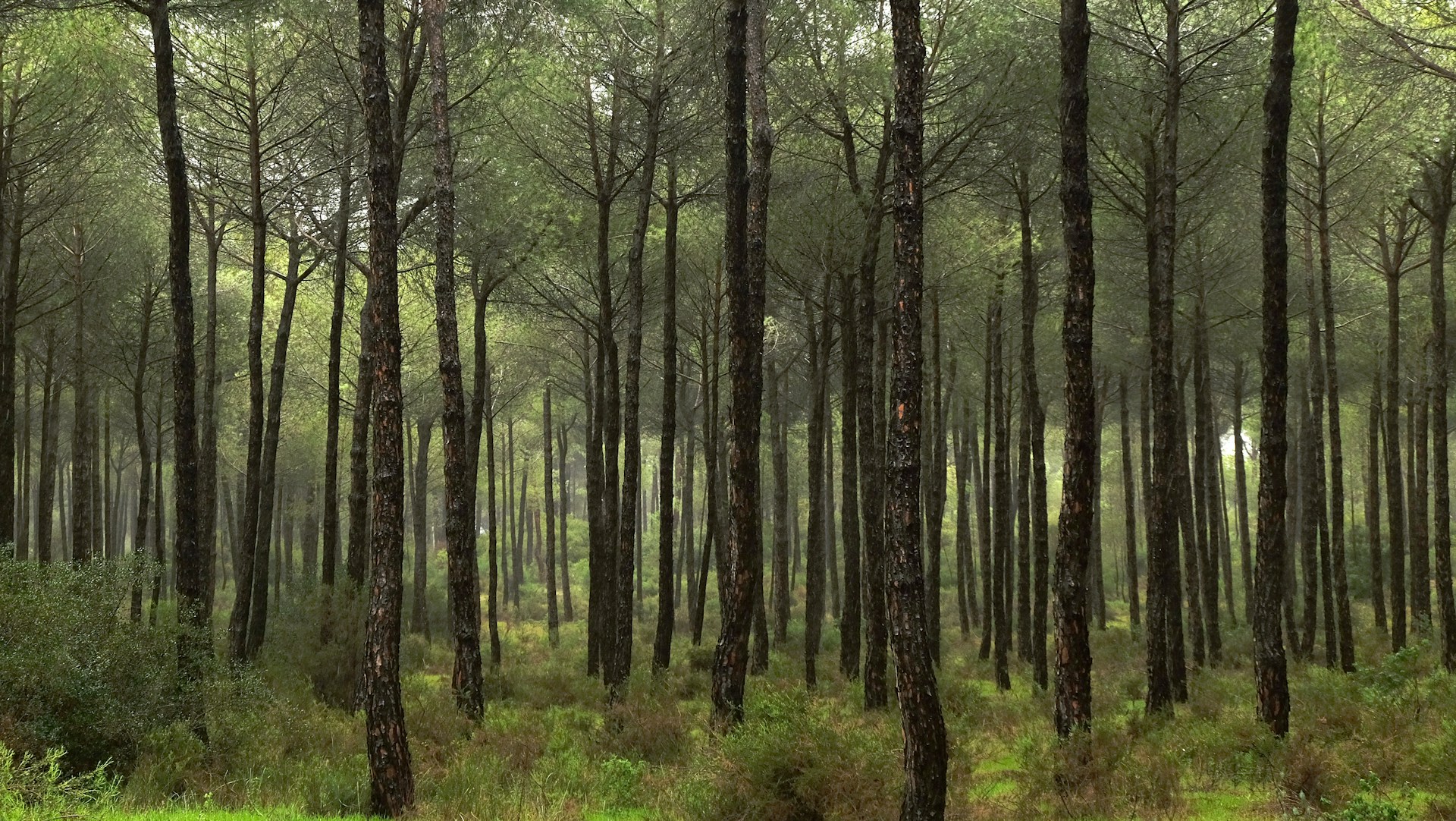
Leaving the bustle behind, you cross into the wild beauty of Doñana—a mosaic of marshes, dunes, and pine forests where the land seems to breathe with the tide. The park’s shifting sands have hidden smugglers and protected rare wildlife for centuries. You walk beneath cork oaks and hear the calls of herons and egrets, aware that this is a place where human stories and natural rhythms intertwine. Moorish and Spanish kings once hunted here; today, the slow traveler finds space to reflect, to watch the play of light and shadow, and to sense the fragile balance that sustains life just beyond the reach of the sea.
Amid the silence, you realize how much of travel happens in attentive stillness.
If you want to experience this in real life: Ride the Wild Edges of Doñana
Doñana National Park official website
Chipiona Lighthouse
The tallest lighthouse in Spain stands sentinel at Chipiona, its beam slicing through Atlantic fog and darkness. Built on the site of an ancient Roman beacon, the lighthouse has warned sailors of treacherous currents for generations. You climb its spiral stairs, pausing at narrow windows to catch glimpses of the churning sea below. Local lore holds that the light can be seen for miles—a promise of safe passage and a symbol of hope for those at sea. The salty wind up here is laced with stories, and you sense how the search for meaning often begins with a simple act of looking outward.
At the summit, you feel the distance between longing and arrival narrow with each turn of the light.
If you want to experience this in real life: Set sail on a private yacht in the waters of Chipiona
Chipiona Lighthouse official web page
Rota Old Town
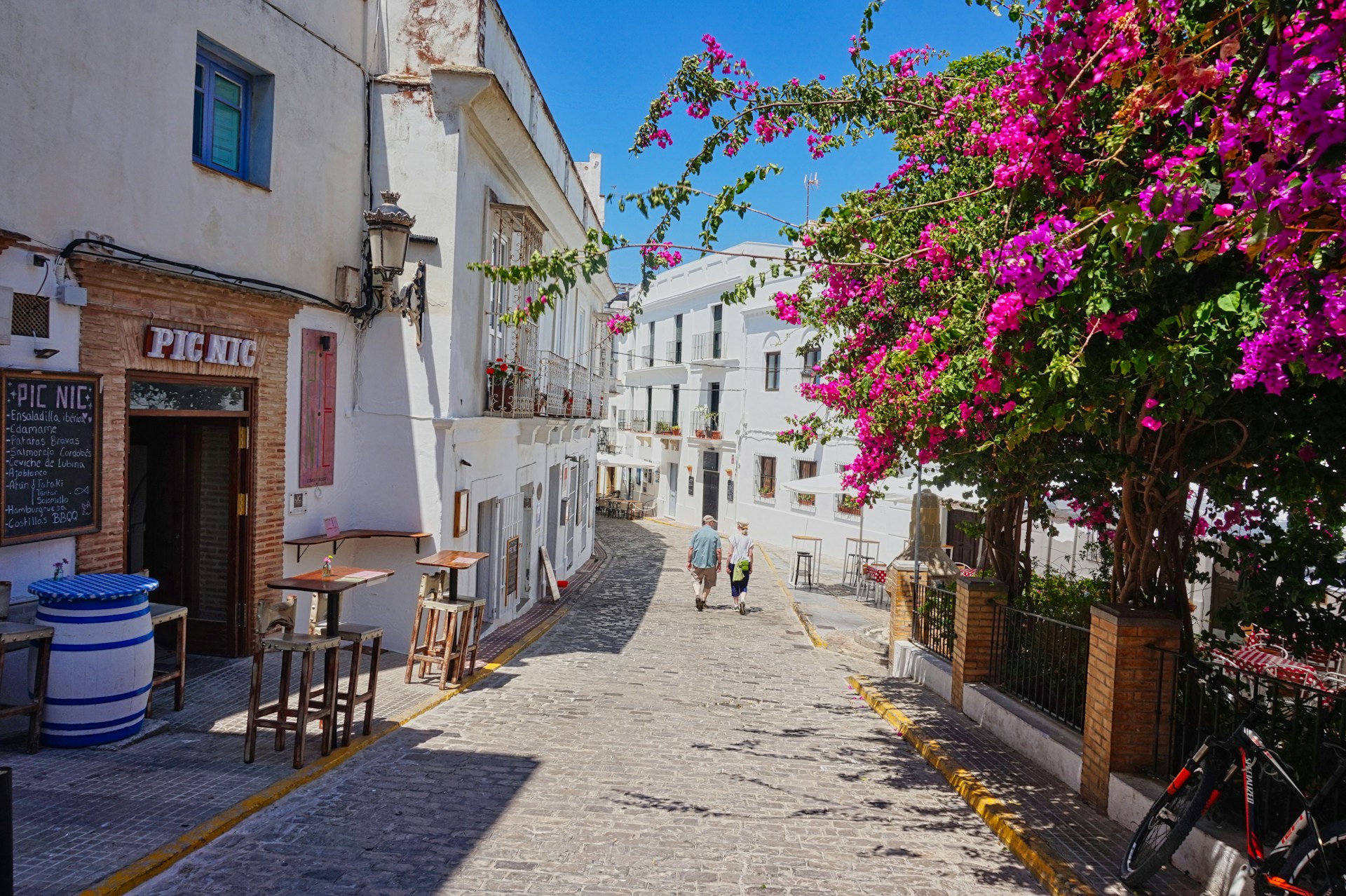
In Rota’s labyrinth of whitewashed alleys and hidden plazas, you find a town shaped by centuries of seafaring and quiet resilience. Moorish walls enclose a world of narrow streets, splashed with bougainvillea and the laughter of children at play. Historic churches and fishermen’s cottages cluster near the shore, their stones worn smooth by time and tide. Locals tell stories of pirates and lost ships, while tapas bars spill out onto sunlit squares. The place feels both intimate and open, a crossroads where cultures have mingled for generations, and where every traveler is invited to linger and listen.
As dusk settles, you feel the warmth of belonging in a place that remembers every visitor.
Villa Rota office official website
Zahara de los Atunes
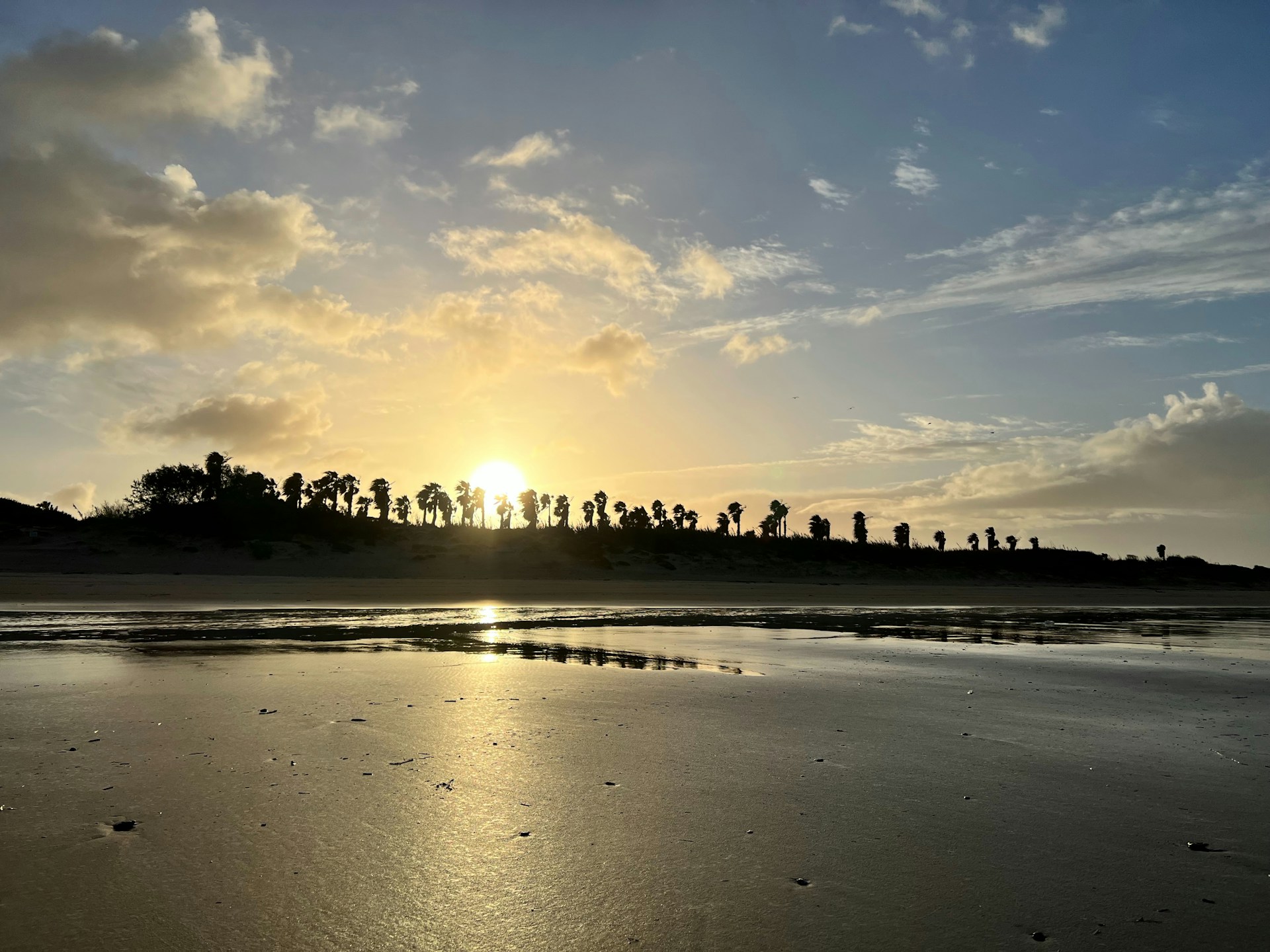
Further along the coast, Zahara de los Atunes greets you with wide beaches, turquoise surf, and the scent of grilled tuna drifting from seaside taverns. Once a stronghold for tuna fishing, the village’s low-slung houses and 15th-century castle evoke a simpler rhythm. You join locals for sunset on the sand, the sky awash in gold and rose, and feel how the sea shapes every story here—its bounty and its dangers, its music and its moods. Ancient rituals of the almadraba still echo in the seasonal harvest, and every traveler is a witness to cycles as old as the tides themselves.
Here, the sea’s song lingers long after the last light fades from the waves.
Zahara de los Atunes village official website
Tarifa and Isla de Las Palomas
At Europe’s southern edge, Tarifa faces the meeting of two seas—Atlantic and Mediterranean—its wind-ruffled ramparts gazing toward Africa. The old city’s whitewashed alleys tumble down to the port, where ferries depart for Tangier and the horizon feels like a promise. Across a narrow causeway, Isla de Las Palomas marks the continent’s southernmost point. You walk its rocky paths, feeling the tug of currents and the weight of migrations—human and avian—across the strait. The air is alive with possibility, the boundaries between nations and destinies blurred and ever-shifting.
Here, every gust whispers of new beginnings and the journeys that still await you.
If you want to experience this in real life: Discover the adventures and misadventures of pirates on these shores
Tarifa city tourism official website
La Caleta Beach, Cádiz
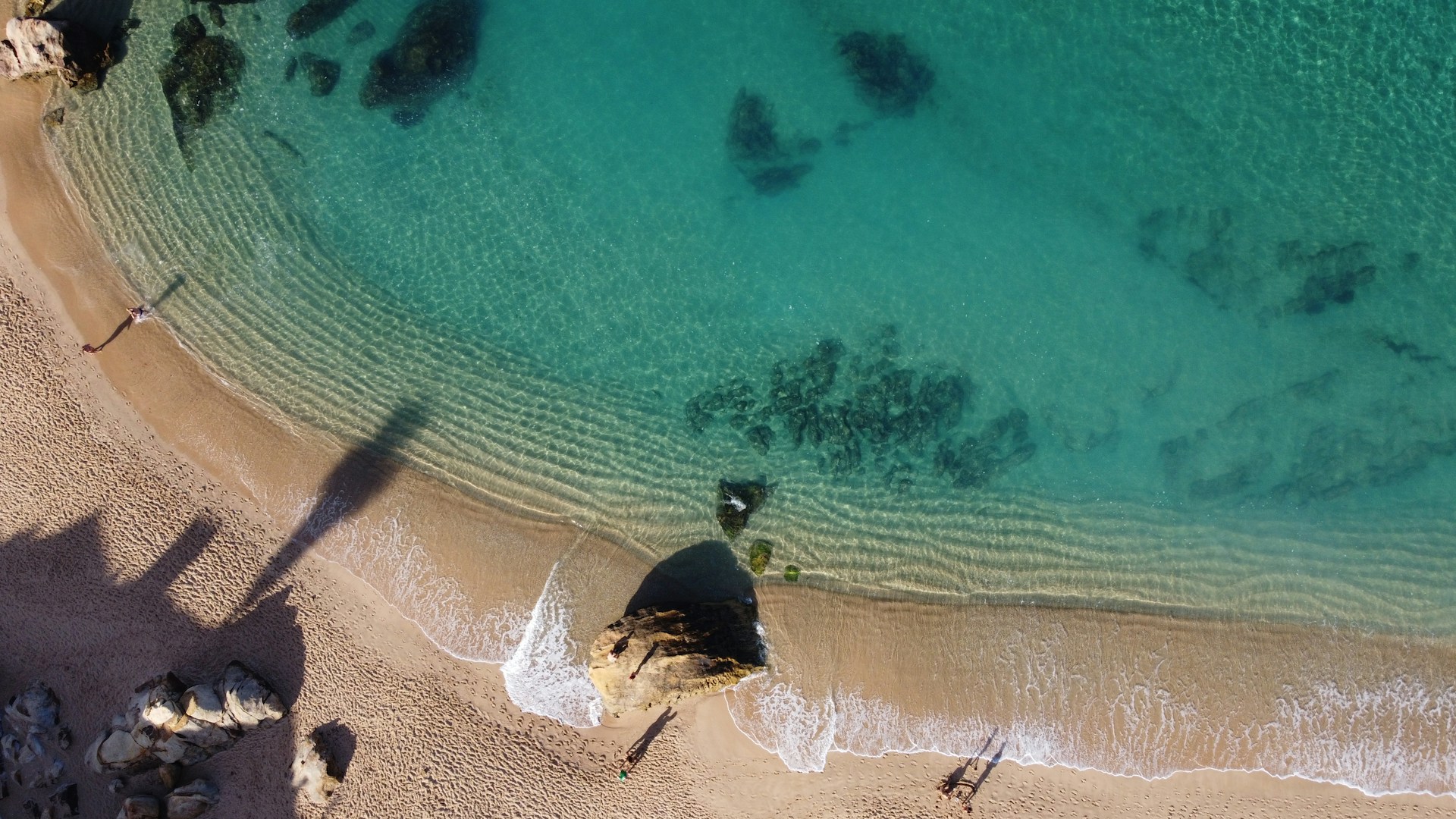
Your journey closes where it began, at Cádiz’s La Caleta Beach—a curve of golden sand hugged by two ancient fortresses. Locals gather at dusk to sing, fish, and watch the changing sky; the atmosphere is communal, vibrant, yet contemplative. Roman and Moorish ruins lie beneath your feet, their presence a reminder of all that has passed here. The sea’s voice is softer now, the light lingering as if reluctant to let go. It’s a place for reflection and quiet celebration, a fitting end to a route shaped by longing, history, and the gentle compulsion to keep searching.
As the last light fades, you carry the journey’s questions with you—salt-stained, unfinished, alive.
If you want to experience this in real life: Sail along the picturesque Bay of Cádiz
Official Lookup Key: La Caleta Beach Cádiz official web page
Βοοκ Quotes
"Every map is a promise of return."
"The sea keeps what we forget to remember."
"Between each harbor lies a secret only the horizon knows."
"Sometimes, longing is the only compass."
"Journeys are measured not in miles, but in what we find along the way."
"To lose yourself at sea is to find another kind of home."
"Old stones remember every farewell."