



The first light of morning stretches over the Pyrenees as you set out, boots pressing into dew-soaked grass, the air filled with the scent of wild thyme and distant woodsmoke. The world narrows to the rhythm of your steps and the gentle greetings of fellow pilgrims—each carrying their own reasons, their own burdens. The Camino is both solitary and deeply communal: you find yourself in conversations beneath weathered stone archways, sharing bread with strangers who soon feel like old friends. There is a quiet dignity in the simple rituals of the road, a sense that every sunrise promises the possibility of something gently new.
As the landscape shifts from rugged hills to rolling wheat fields, you begin to notice how the journey strips away what is unnecessary. In the stillness between villages, the silence feels generous, broken only by the sound of church bells or the laughter echoing from a small café. History seeps up through every cobblestone street—Roman bridges, medieval chapels, faded scallop shells guiding your way. The Camino is not only a walk through Spain, but a passage through centuries of hope, grief, and quiet redemption. Each town you enter offers its own welcome—a bowl of caldo gallego, a blessing from a passing priest, a simple bed where you sleep beneath beams blackened by time.
Saint-Jean-Pied-de-Port
The French gateway to the Camino, Saint-Jean-Pied-de-Port, is a patchwork of terracotta rooftops and winding alleys pressed between river and mountain. Here, anticipation mingles with apprehension as pilgrims gather at the old city gate, shouldering memories and hopes alike. The stone bridge over the Nive has seen countless farewells and beginnings, its arches echoing with stories of departure. The medieval citadel watches over the town, a sentinel for travelers seeking courage to cross the Pyrenees. The scent of fresh bread drifts from family bakeries, and the sound of boots on cobblestone is a quiet percussion marking the start of something irreversible.
You feel both the weight and release of setting out, surrounded by strangers who already feel like companions.
If you want to experience this in real life: Begin the Path
Saint-Jean-Pied-de-Port official website
Roncesvalles
Crossing into Spain, Roncesvalles appears as a green clearing crowned by the Collegiate Church, a sanctuary for the weary after the steep climb. Here, history is layered—Charlemagne’s knights, medieval pilgrims, and now, modern seekers all find refuge in the same shadowy halls. The stone cloisters echo with prayers and stories, and the communal dinner brings together voices from a dozen countries. Mist often hangs in the trees, blurring the line between legend and fatigue. Local traditions, like the blessing of pilgrims, linger in the air, binding each traveler to the road ahead.
In the hush of the church, you sense both the heaviness and hope that mark a real beginning.
Pamplona
Pamplona greets you with its layered stories—Roman walls, Hemingway’s echoes, and the energy of San Fermin in the air. The city’s old quarter is a web of narrow streets, bustling tapas bars, and sunlit plazas where locals linger over coffee. Pilgrims pass through the ancient Portal de Francia, feeling the pulse of history underfoot. At the cathedral, you might pause to reflect beneath cool stone arches, surrounded by centuries of faith and celebration. The city’s festivals and traditions wash over you, a reminder that life on the Camino is threaded with the unexpected.
You realize that the path is not only about solitude, but about the living world you move through.
If you want to experience this in real life: Trace the Old Walls of Pamplona
Puente la Reina
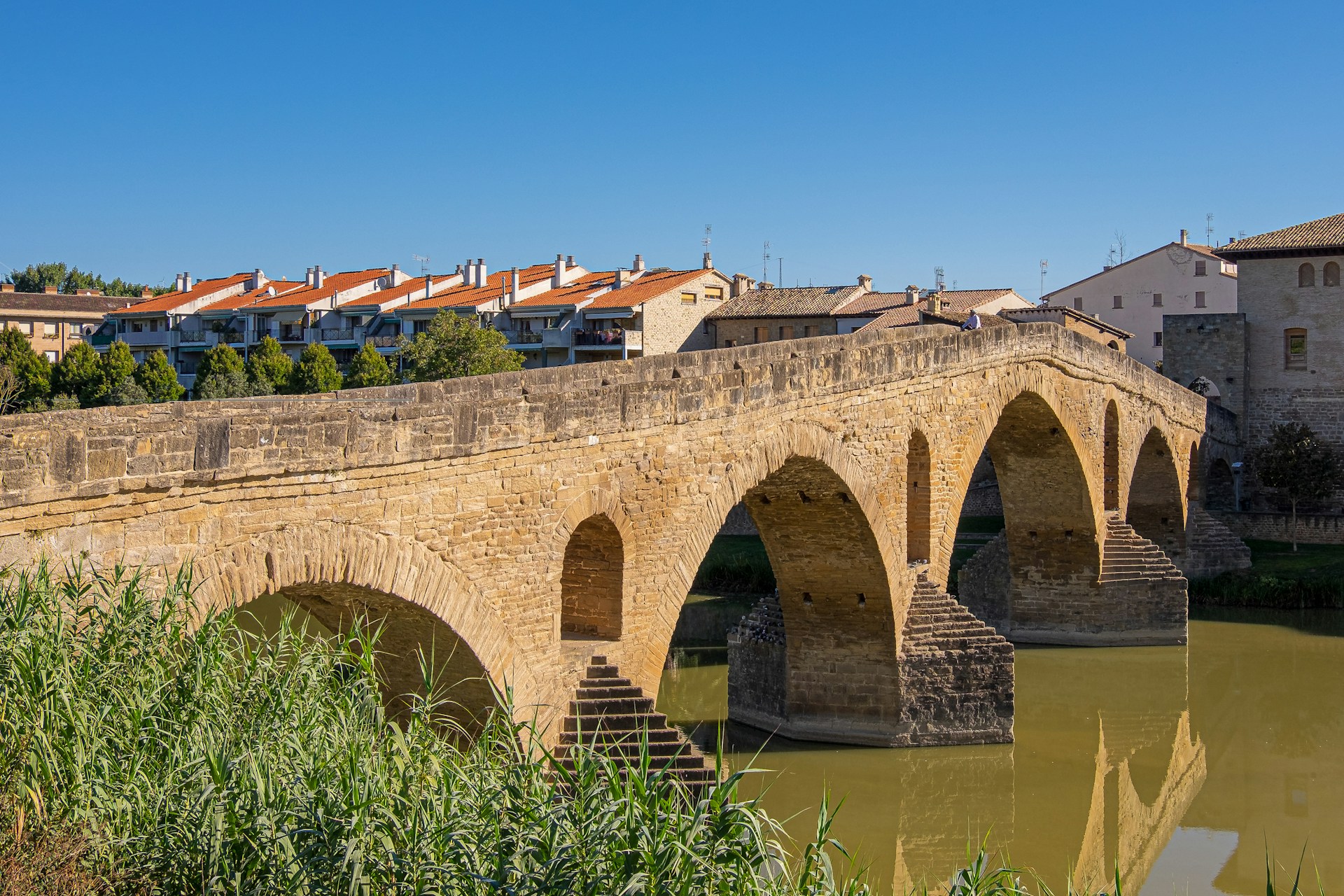
The medieval bridge of Puente la Reina arches gracefully over the Arga River, a symbol of the Camino’s enduring legacy. This town grew around the pilgrimage route, its streets lined with Romanesque churches and pilgrim hostels. Walking across the bridge, you feel the footsteps of centuries beneath you. Local artisans still craft traditional sweets and pottery, echoing the rhythms of slow travel. The Plaza Mayor is a crossroads where stories are exchanged—sometimes with words, more often with nods and smiles. The sense of welcome here is quiet but unmistakable, a gentle encouragement to continue onward.
Standing on the ancient stones, you sense the thread connecting you to those who came before.
Puente la Reina official website
Burgos
Burgos rises suddenly from the plains, its gothic cathedral a masterpiece of stone and light. You enter through the Arco de Santa María, greeted by centuries of art and devotion. The city’s medieval core is a labyrinth of quiet courtyards and bustling markets, where pilgrims and locals mingle over plates of morcilla and glasses of Ribera wine. The bones of El Cid rest here, a reminder of the Camino’s mythic past. In Burgos, you feel the intersection of grandeur and intimacy—the physical exhaustion of the road offset by the beauty of human achievement.
Under the soaring arches, you sense awe and humility blending as the journey deepens.
If you want to experience this in real life: Find Stillness in Burgos Cathedral
Burgos Cathedral official website
León
León’s gothic spires and stained glass windows welcome you after days of open country. The city pulses with student energy, medieval lore, and the hum of modern life. Tapas bars spill onto the Plaza Mayor, their counters crowded with plates of cecina and local cheese. At León Cathedral, light streams through colored glass, painting the stone in shifting hues. The Hospital de San Marcos tells stories of charity and care, once a shelter for pilgrims, now a reminder of how hospitality shapes the Camino. León invites you to pause, reflect, and gather strength before the road westward.
The city’s heart beats with both the weight of history and the warmth of welcome.
If you want to experience this in real life: Pause in the Light of León
O Cebreiro
Climbing into Galicia, O Cebreiro emerges from the mist—stone huts with thatched roofs, Celtic legends, and a wind that carries the scent of rain and wildflowers. The village is known for its miracle of the Eucharist, and the tiny church of Santa María la Real draws quiet pilgrims seeking solace. The mood here is contemplative, shaped by both myth and the physical challenge of the climb. Local cheese and honey offer comfort, and the landscape feels ancient, part of an old, ongoing story. The fog and hills blur the line between the outer journey and the inner one.
In the hush of the mountains, you sense the nearness of what you’ve been searching for.
Portomarín
Descending into Portomarín, you cross the modern bridge over the Miño River, arriving at a town that has risen from the water twice—its church and key buildings relocated stone by stone after the old village was flooded. The fortress-like Church of San Juan stands at the heart, its walls scarred by centuries of defense and faith. Beneath the surface, submerged ruins hint at lives and stories lost to time. The square fills with music in the evenings, and the air holds the scent of tarta de Santiago. Portomarín is a place of resilience, where memory and renewal coexist.
Here, you feel how loss can become a foundation for something lasting and new.
Santiago de Compostela
The journey ends at the great cathedral of Santiago, its baroque façade shining gold in the Galician sun. Pilgrims gather in the Plaza del Obradoiro, some laughing, some weeping, all transformed. Inside, the relics of Saint James rest beneath soaring arches, and the ritual embrace of the apostle marks both an end and a beginning. The city’s old streets are alive with music, incense, and the joy of arrival. Here, every story converges—a mosaic of loss, faith, laughter, and renewal. The Camino, you realize, is not about reaching the end, but about who you have become along the way.
In Santiago, you understand that every step has changed you, and that some absences are filled by the journey itself.
If you want to experience this in real life: Arrive at the Heart of Santiago
Santiago de Compostela Cathedral official website
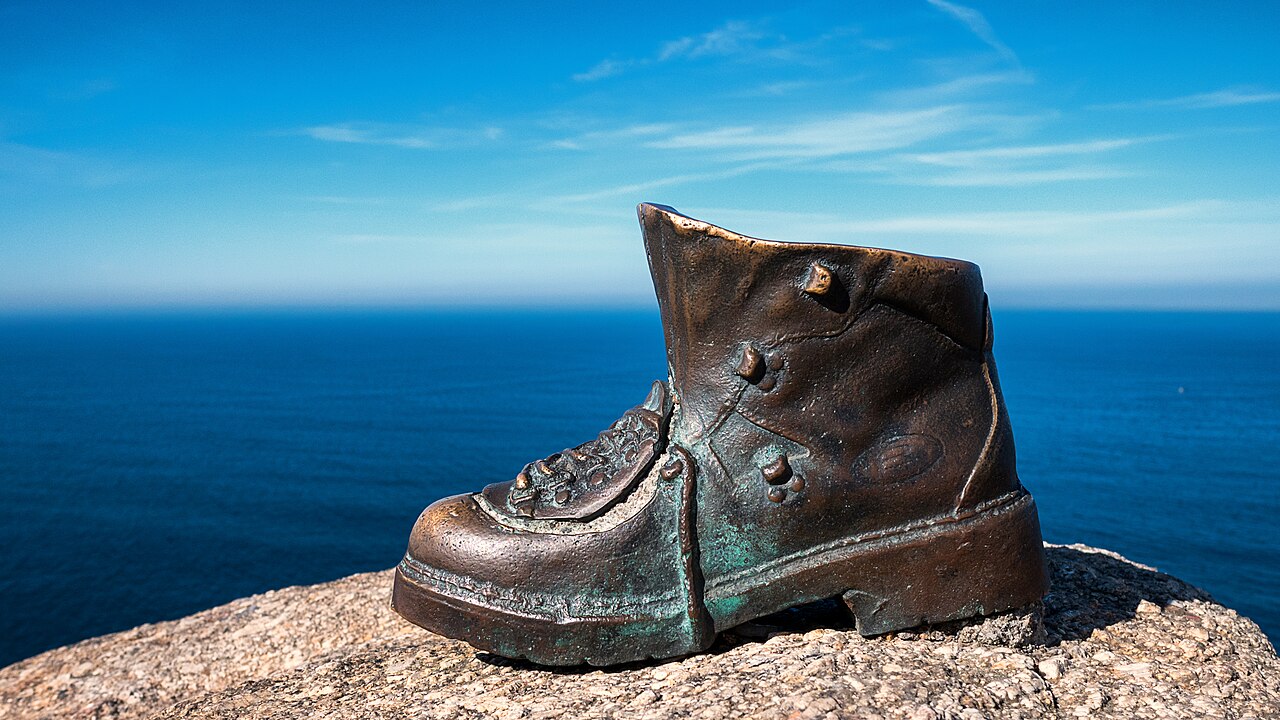
Fisterra
For some, the path continues west to the "end of the world"—Fisterra, where rocky cliffs meet the endless Atlantic. The tradition of burning a piece of clothing or leaving a stone behind marks a final letting go, a ritual of closure and new beginnings. The lighthouse stands solitary above crashing waves, the sky wide and changeable. This place has long been a point of reflection, where the land gives way to ocean and the journey feels both finished and infinite. Local fishermen recite old Galician stories, and the wind carries the salt and freedom of the sea.
Standing at the world’s edge, you feel the vastness within and beyond you.
If you want to experience this in real life: Stand Where the Land Meets the Sea
Film Quotes
You don't choose a life, you live one.
Every step leaves a mark, even if you can't see it.
The road is hard, but it brings you back to yourself.
Sometimes, losing someone is how you find your way again.
It isn't about the destination—it's about what you carry with you.
On the Camino, strangers often become family.
The journey changes you, even after it's over.