
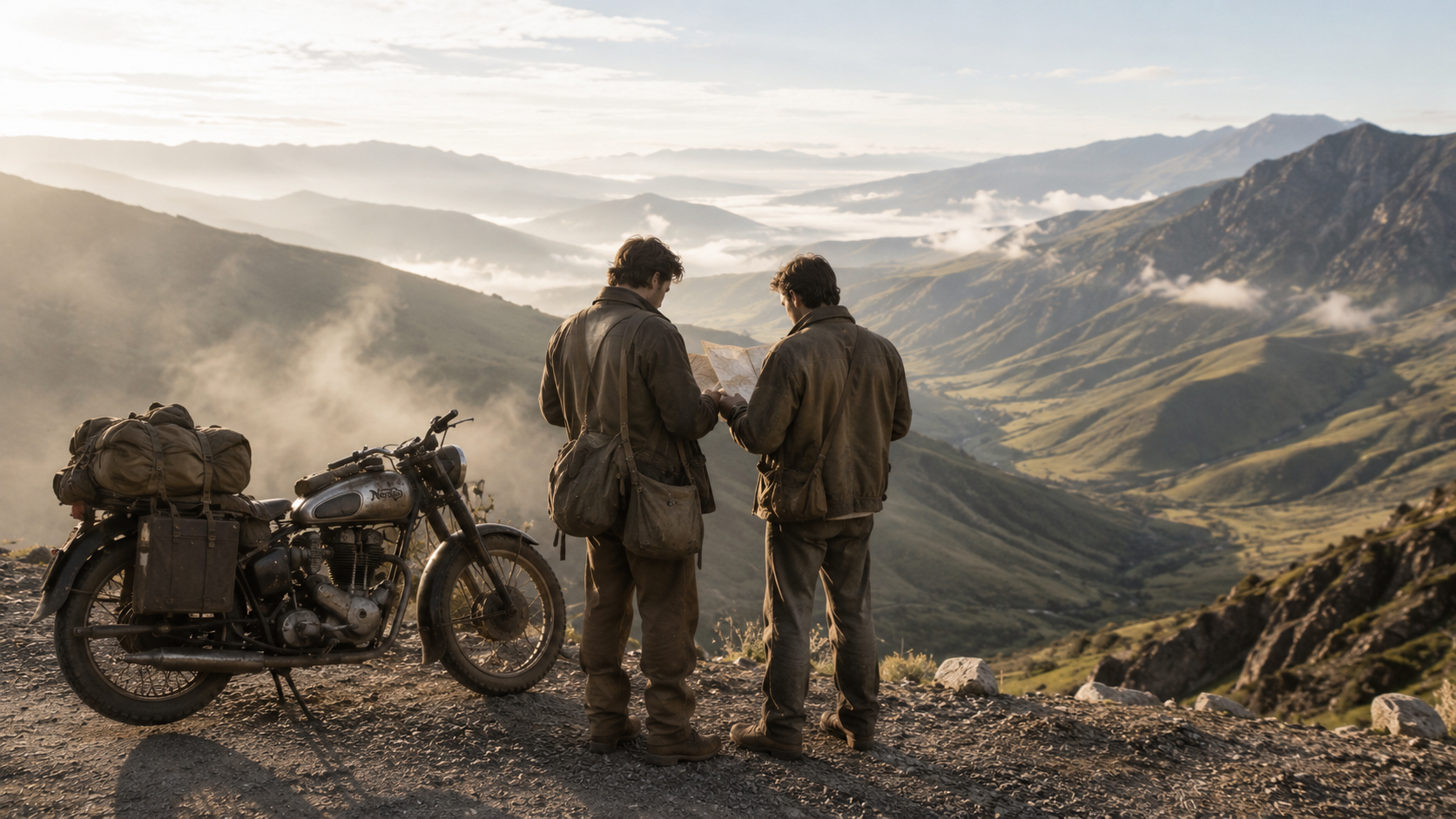


As the landscape changes beneath your wheels—from Buenos Aires’ faded grandeur to the ochre dust of the Altiplano—the emotional arc deepens. In Córdoba, you brush against the lingering idealism of student cafés and the quiet weight of history’s darker turns. Along the shores of Lake Titicaca, the air is thin and luminous, and time seems suspended, punctuated only by the calls of fishermen and the distant echo of ancient myths. In the mining towns of northern Chile, hardship and solidarity shape the faces you meet, and the land bears silent witness to centuries of striving and loss.
By the time you reach the leper colony at San Pablo, the journey’s purpose feels altered, quietly reframed by the stories encountered and the kindness of strangers. The vastness of the continent becomes not an obstacle, but a gathering of voices—each place drawing you deeper into the living fabric of South America. Here, empathy grows in the spaces between words, and you sense how transformation arises not from revelation, but from the slow accumulation of encounters, landscapes, and hopes.
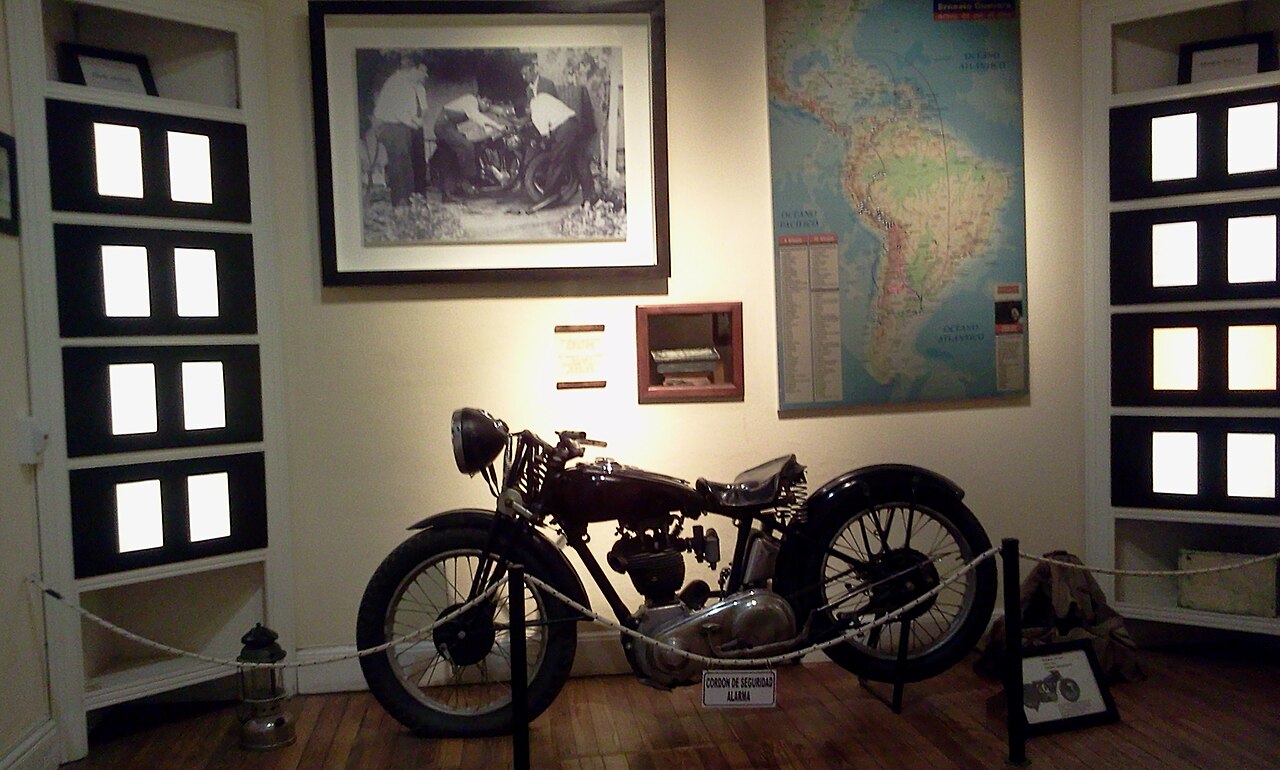
Buenos Aires – The First Horizon
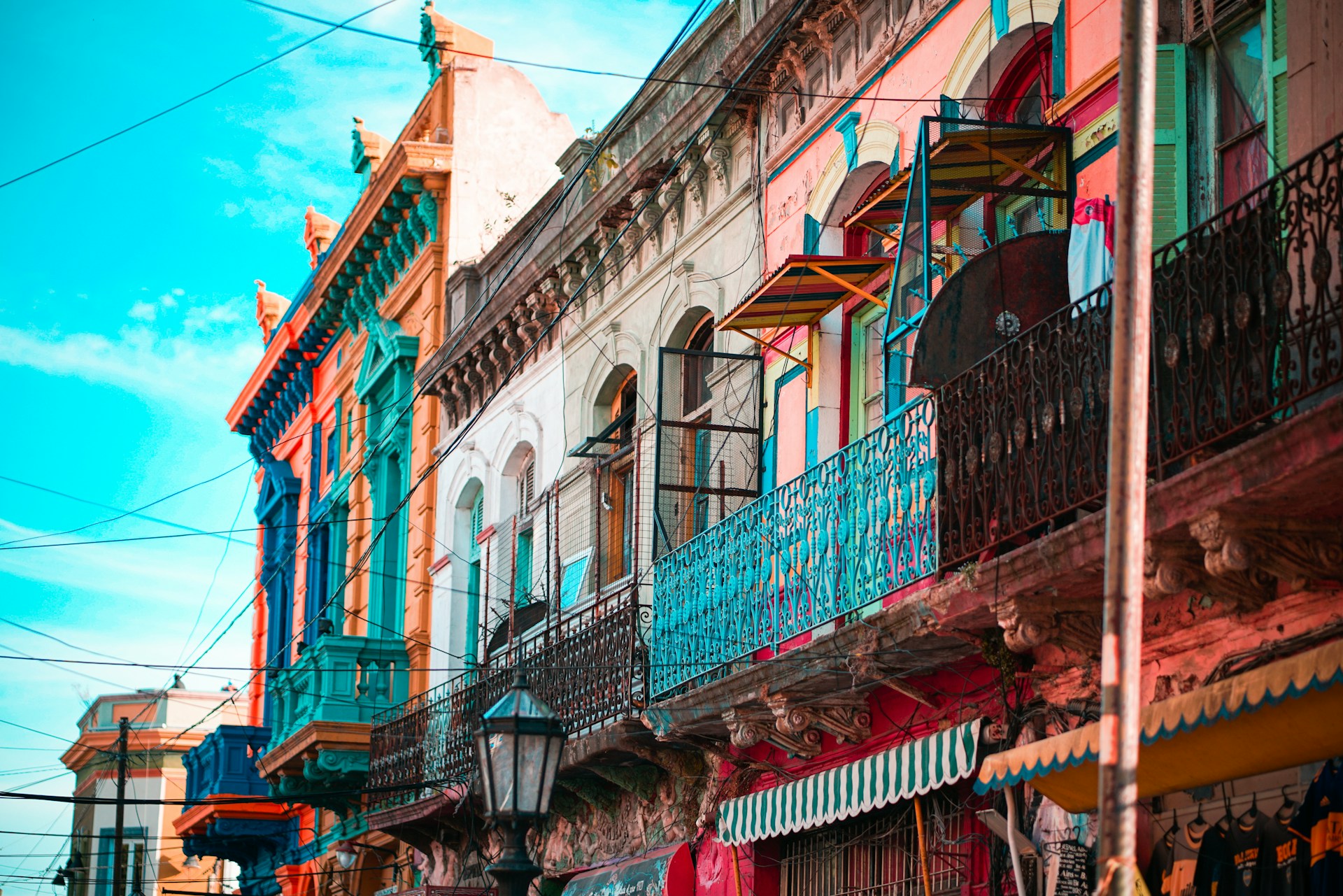
Buenos Aires greets you with mornings that smell of coffee and old books, the city’s wide boulevards still echoing with the ambitions of its grand past. In San Telmo, tango melodies drift from open doorways, while the faded facades hint at decades of political upheaval and reinvention. The Café Tortoni, a gathering spot for poets and revolutionaries, still hosts conversations that linger long after the cups are emptied. Here, the journey begins with a sense of restless possibility, as if every cobblestone were a prelude to departure. Listen for the stories told in quick Spanish on the city buses or whispered in the cool shade of Plaza de Mayo, where history feels both recent and unresolved. The city’s literary soul is evident in its countless bookstores, offering a quiet refuge from the urban pulse. Slow-travelers can lose hours wandering Recoleta’s cemeteries, tracing the names of those who once shaped the nation’s ideals.
In Buenos Aires, the road ahead feels both infinite and necessary.
If you want to experience this in real life: Trace Revolutions Among the Boulevards
Córdoba – The Pulse of Youth
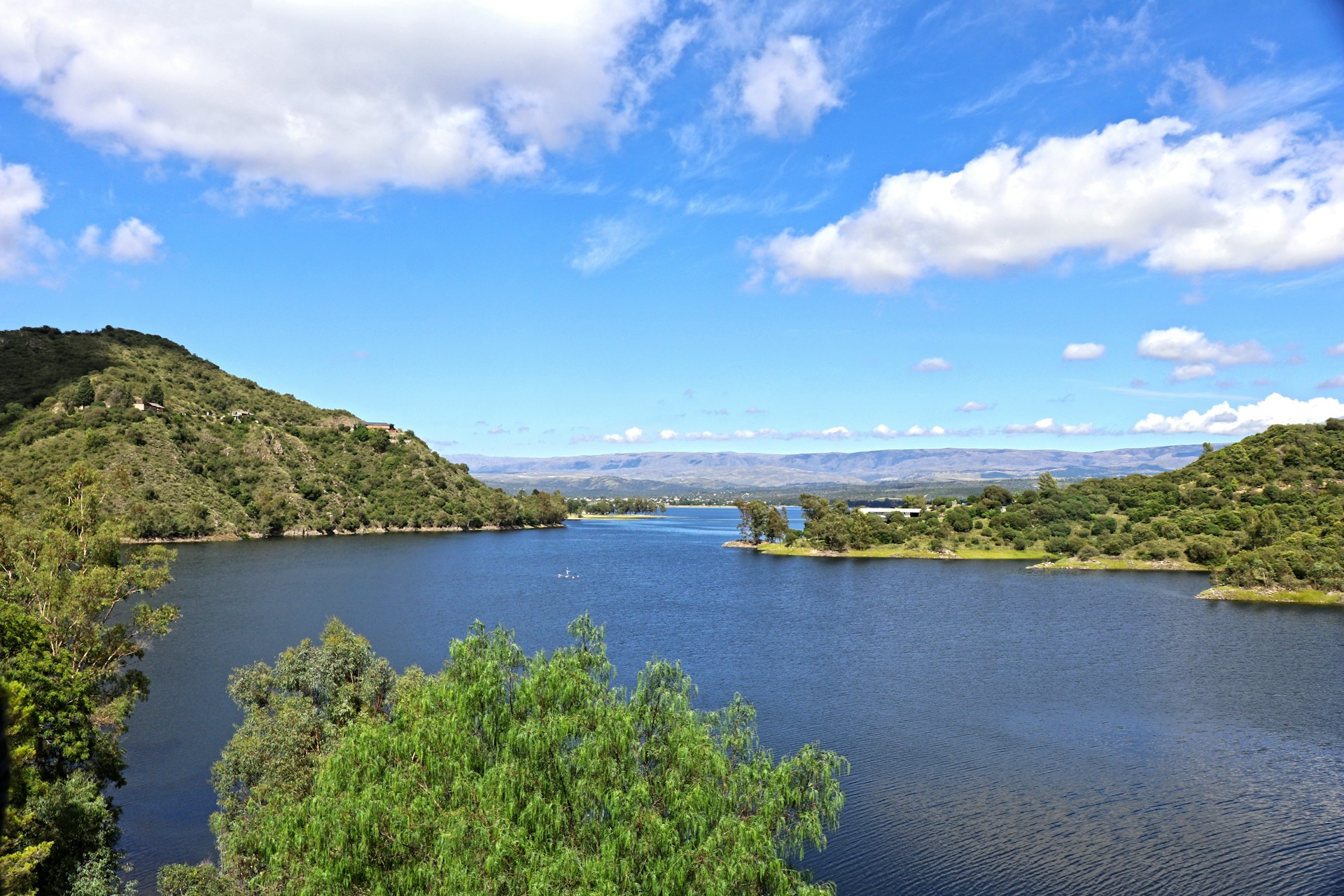
Córdoba’s shaded plazas are alive with the laughter of students and the quiet gravity of centuries-old Jesuit churches. The city’s core is a tangle of colonial architecture and contemporary murals, a place where university debates spill out onto the streets and political ideals are forged over yerba mate. The Manzana Jesuítica speaks of faith and learning that shaped Argentina’s identity, while the city’s leftist legacy lingers in the graffiti and the annual gatherings in Plaza San Martín. In the evenings, the bars and folk music clubs reveal a city that values both memory and rebellion. For those moving slowly, Córdoba offers the chance to join in local gatherings, witness student activism, and trace the threads of aspiration that run through its heart.
You sense the relentless hope that pulses beneath Córdoba’s daily routines.
If you want to experience this in real life: Step Into Córdoba’s Living History
Alta Gracia – Sanctuary of Memory
Set among the Sierras de Córdoba, Alta Gracia is a small town that breathes with the rhythm of rural life. The white walls of the Casa Museo del Che Guevara stand quietly, surrounded by eucalyptus and the slow routines of daily errands. Here, the future revolutionary spent his childhood, and the rooms are filled with the artifacts of family, illness, and early dreams. The old Jesuit estancia nearby speaks of colonial labor and a community shaped by centuries of migration and exchange. Locals gather in the square for weekend markets, sharing stories over homemade pastries and folk music. The town’s air is gentle, carrying the weight of memory and the simplicity of days measured by the sun.
In Alta Gracia, the past is close enough to touch, softened by the patience of time.
If you want to experience this in real life: Walk Through Che’s Childhood Echoes
Quebrada de Humahuaca – Passage Through the Andes
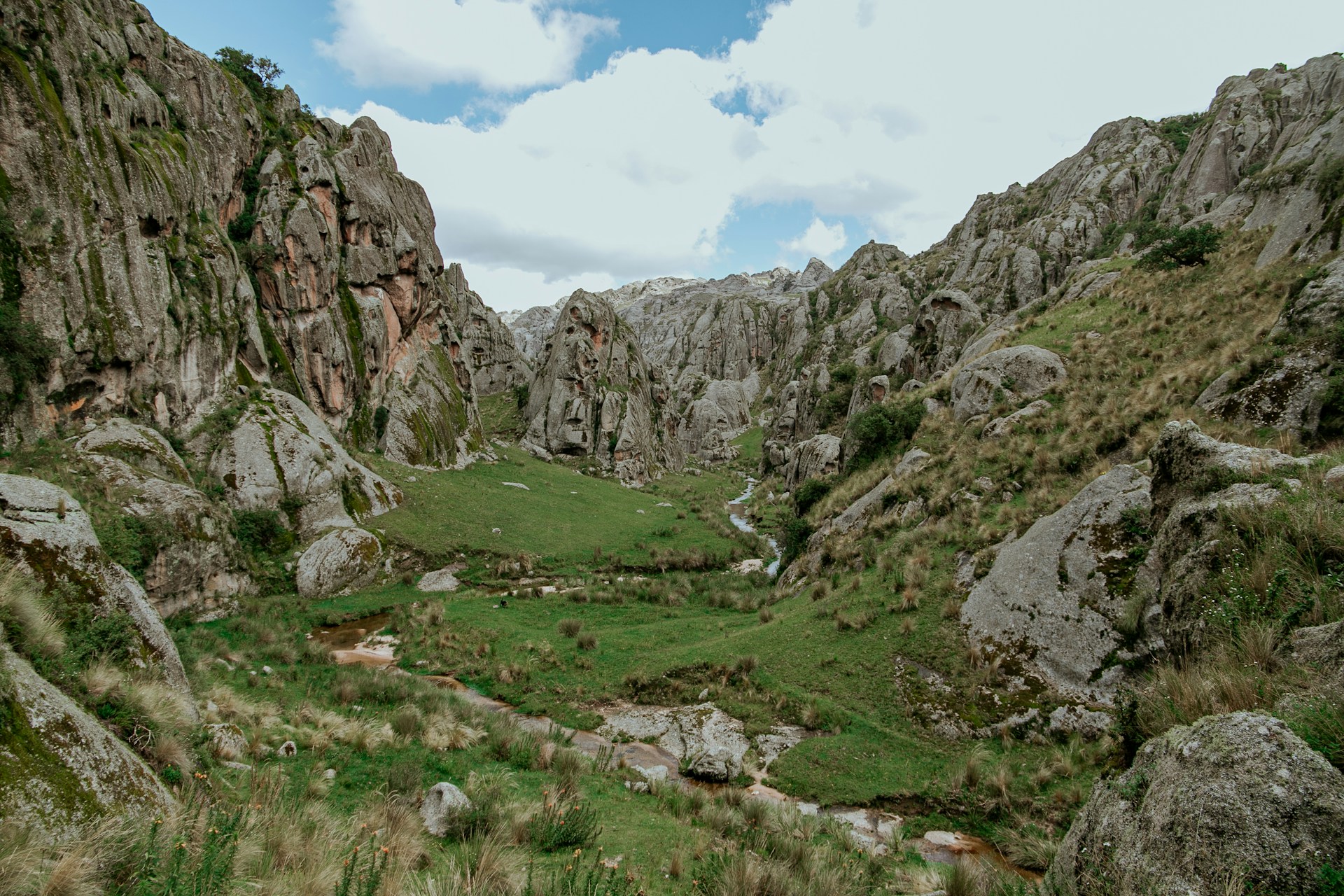
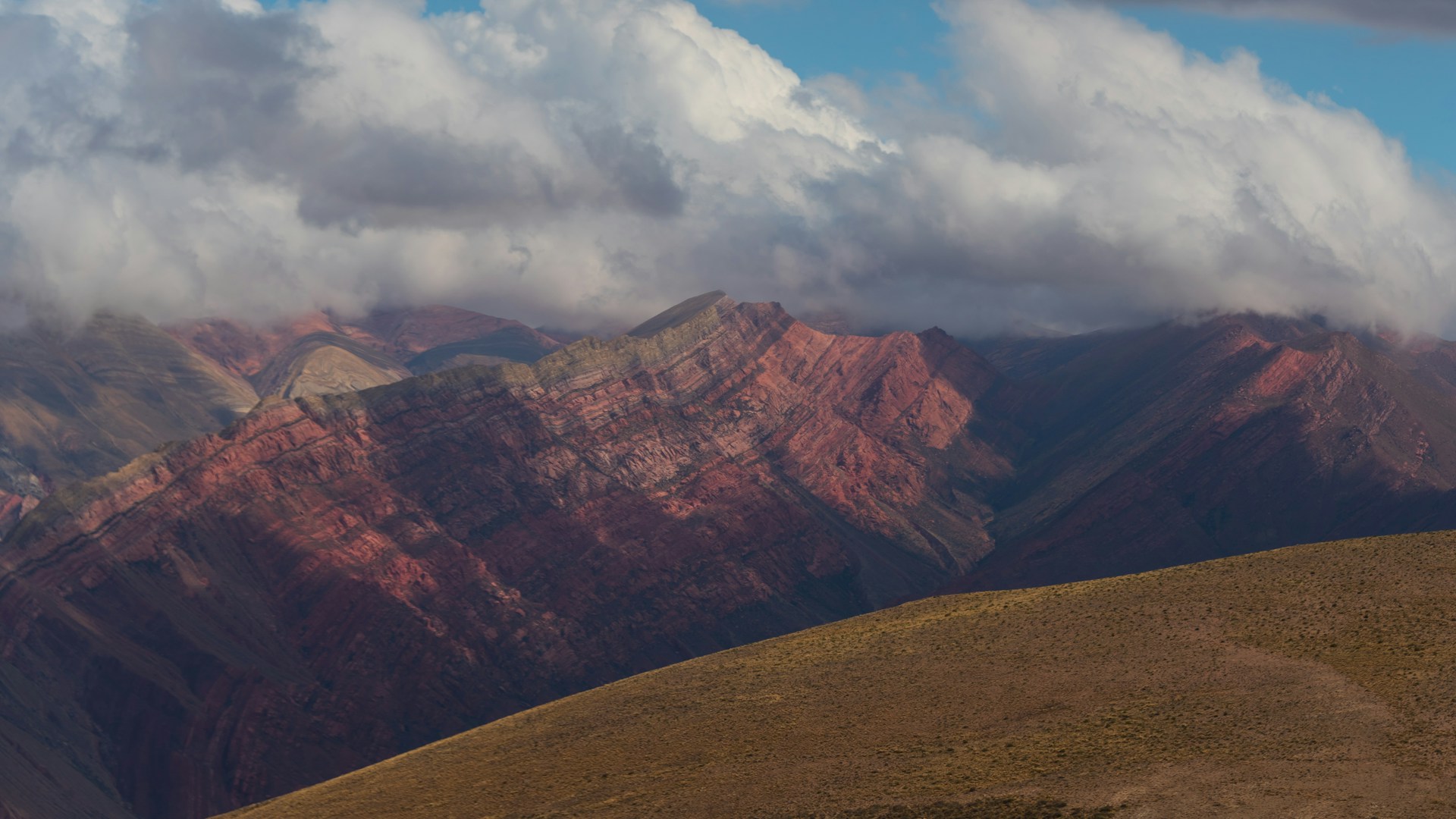
The Quebrada de Humahuaca carves a path through the mountains, its hills streaked with mineral colors and its villages cradled by centuries-old traditions. Purmamarca’s adobe houses cluster at the foot of the Seven-Color Hill, where indigenous markets fill the square with woven tapestries and Andean music. The air is thin, and each breath carries the scent of wood smoke and dust. The road here is both literal and symbolic—a passage between worlds, traversed by traders, pilgrims, and dreamers. Stop to share mate with local families, and listen for the stories of resilience and migration that shape every festival. The valley’s Inca roots and colonial layers are visible in its churches and ancient fortresses, reminders of the deep continuity of life in these highlands.
The landscape here is both a challenge and a quiet invitation to linger.
If you want to experience this in real life: Follow the Old Roads of the Quebrada
Lake Titicaca – The Sacred Waters
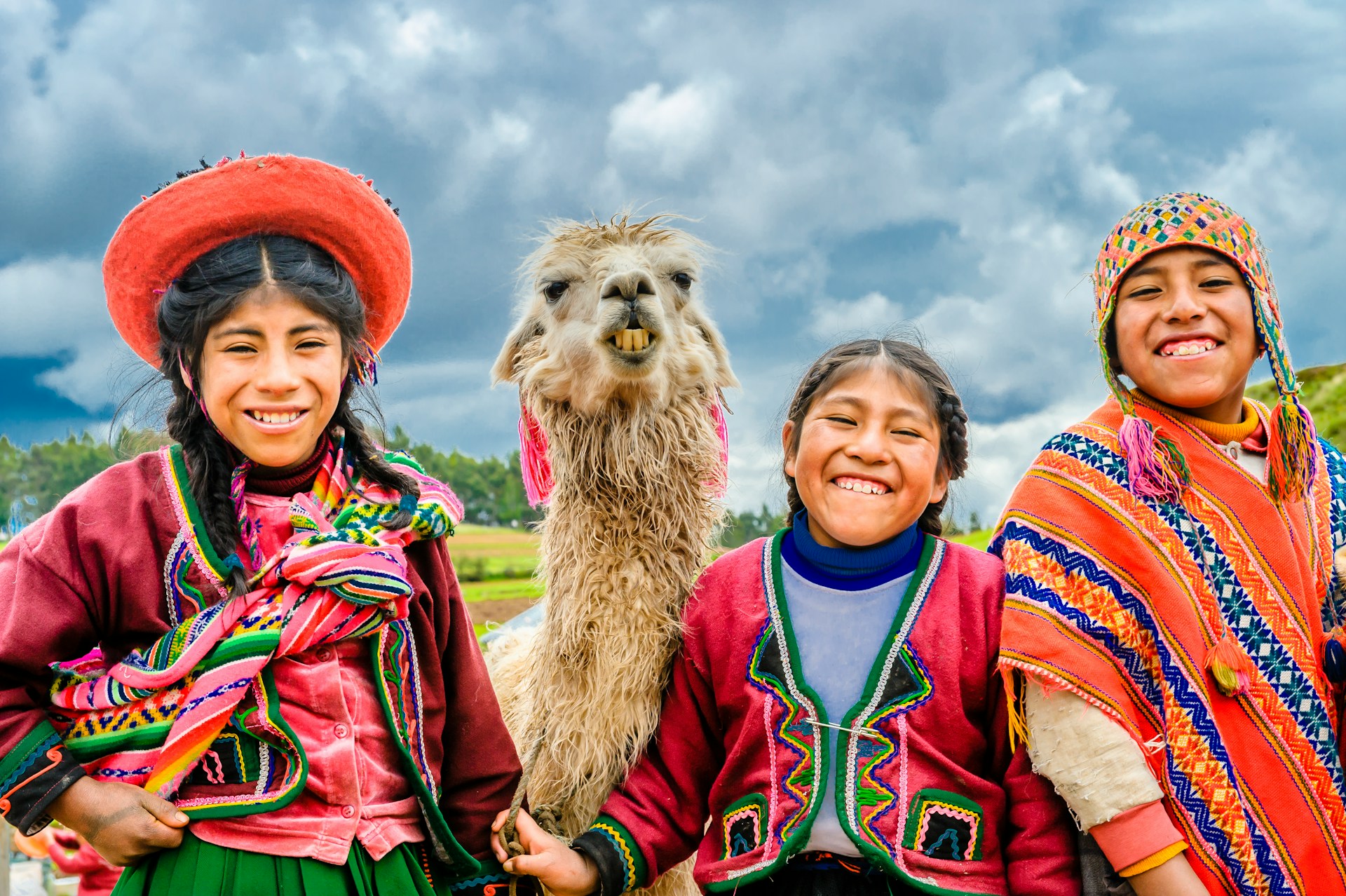
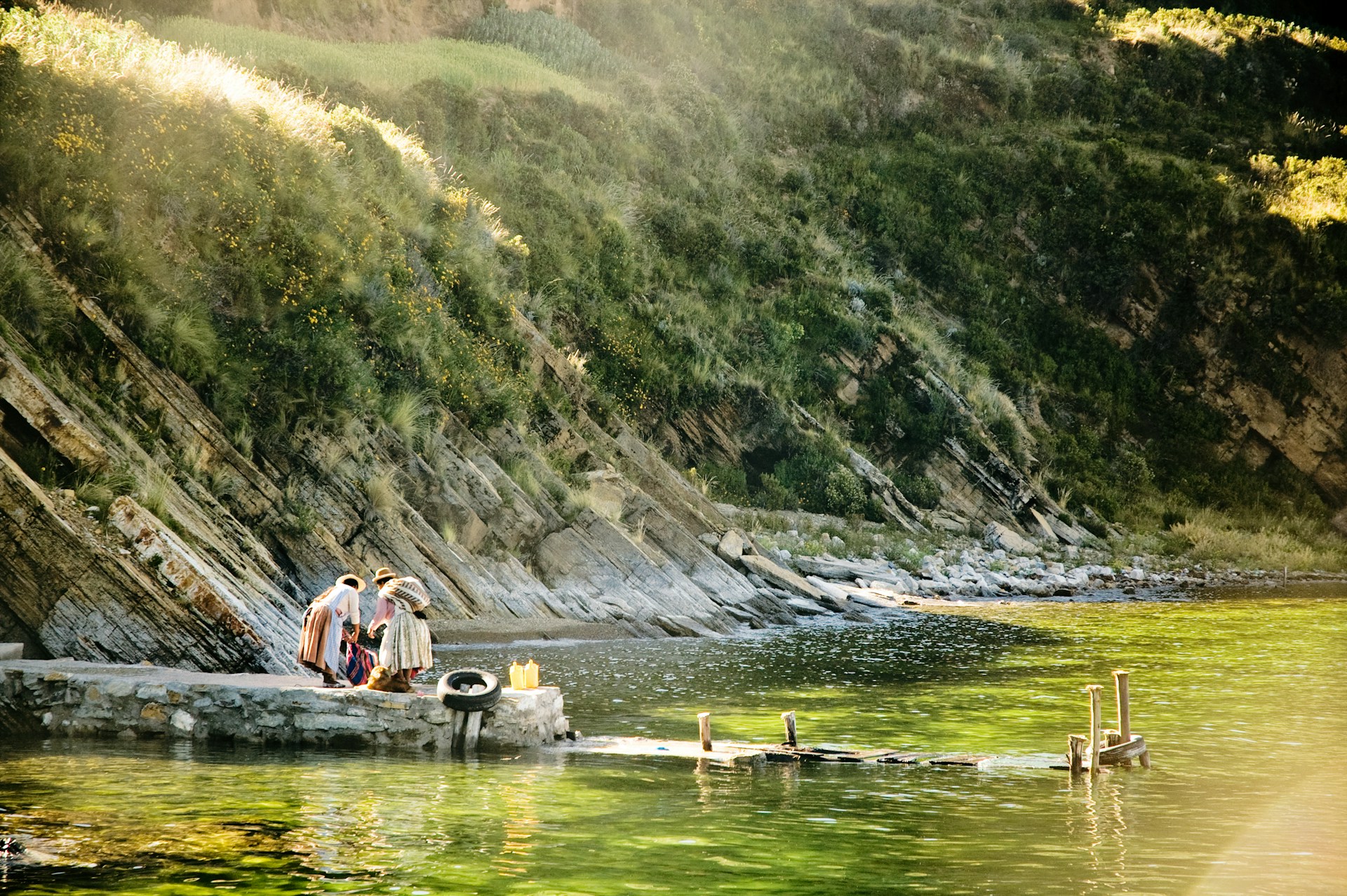
On the shores of Lake Titicaca, dawn breaks in silence, turning the water silver and the islands into silhouettes. The lake, shared by Bolivia and Peru, is a cradle of Andean mythology, home to both the Uros floating islands and stories of the Inca’s origins. In Copacabana, pilgrims gather for festivals that blend Catholic and native traditions, while fishermen mend their nets in the shallow bays. The air is crisp, the sunlight sharp, and time seems to move at the pace of the wind. Homestays on Isla del Sol offer the chance to share simple meals and conversations, learning how ancient beliefs still shape daily life. The slow journey across the water is a meditation on belonging and the endurance of culture.
Here, the horizon widens and the journey feels both sacred and ordinary.
If you want to experience this in real life: Cross the Sacred Waters of Titicaca
San Pablo – The Edge of Compassion
At the edge of the Peruvian Amazon, San Pablo sits quietly beside the river, its humidity softened by the shade of mango trees. The leprosarium here, once a place of profound suffering, now stands as a testament to dignity and human connection. Visitors feel a palpable sense of respect, as patients and staff share their stories with an openness shaped by hardship. The river is life here—canoes bring supplies and hope, while the jungle offers medicine and mystery. The isolation of San Pablo heightens every encounter, turning simple gestures into acts of meaning. The sense of community is strong but unspoken, woven into the routines of care, work, and celebration.
In San Pablo, you glimpse how kindness can transform the boundaries of a life.
If you want to experience this in real life: Travel to the Banks of the Amazon
Film Quotes
Let the world change you and you can change the world.
Wandering has its own destination.
The journey is made by the faces you remember.
Every border crossed is a question asked.
We travel, not to escape, but to connect.
The road reveals what comfort can never teach.
Compassion grows in the spaces between.