
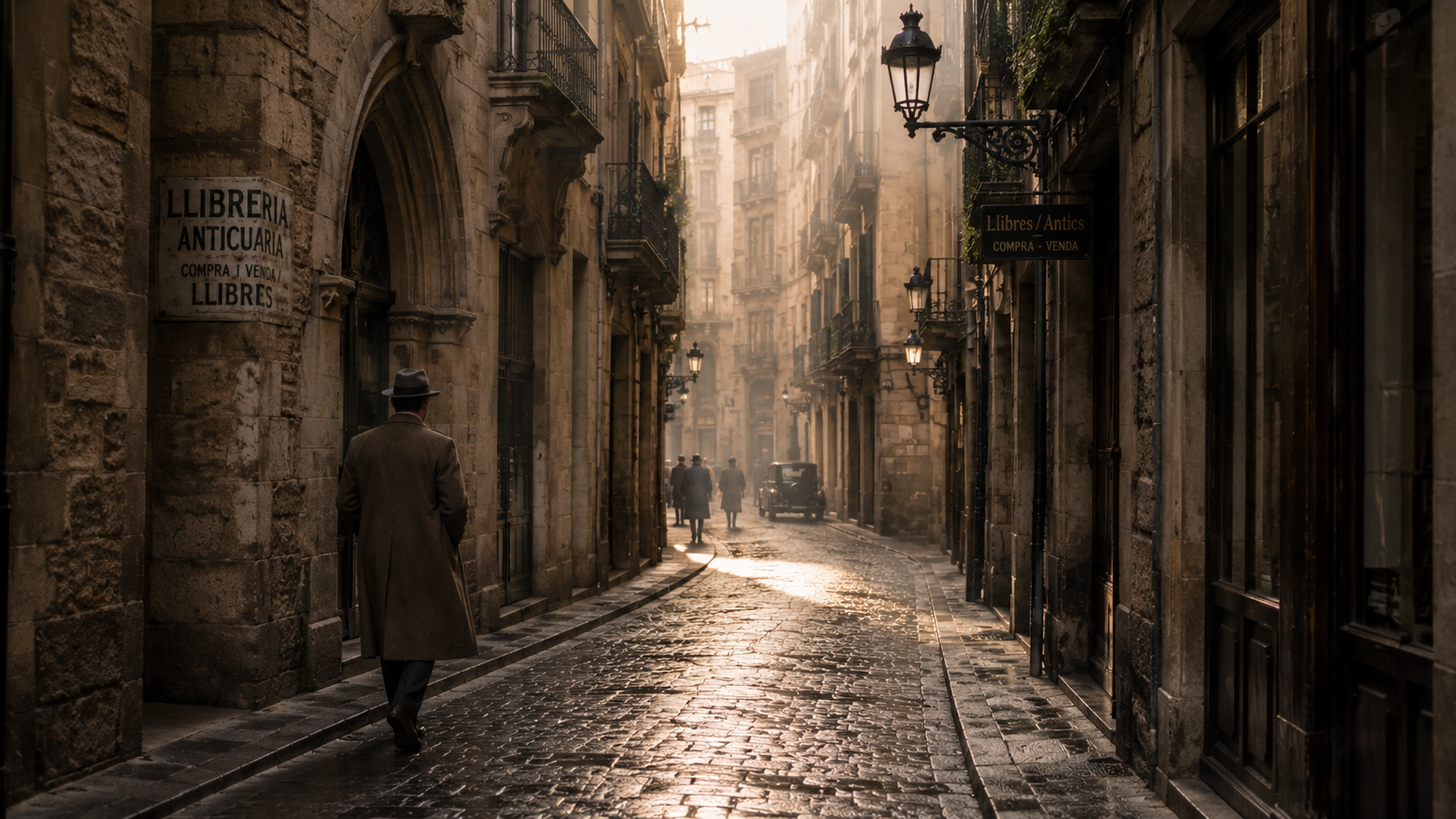


The Cemetery of Forgotten Books (fictional)
Hidden in the warren-like heart of Barcelona’s Raval district lies a sanctuary for lost stories—The Cemetery of Forgotten Books. Here, the scent of parchment and dust lingers in the air, and the silence is so dense it seems to muffle even the past. Modeled after Zafón’s mythical library, this location draws from the city’s real antique bookstores and secret bibliophile societies, where the weight of memory presses against every shelf. Wander the labyrinthine corridors where books slumber in their eternity, and let the city’s literary soul seep into yours. The tradition of passing down a chosen book echoes the oral histories of Catalan families, and the ancient superstition that stories, if forgotten, can haunt their keepers. For the alternate traveler, time slows here, and each title is a key to another epoch, another life.
As you cross the threshold, you feel the hush of centuries envelop you—a pact between reader and secret keeper sealed in shadows.
If you want to experience this in real life:
Listen to the City’s Heartbeat
Carrer de Santa Anna
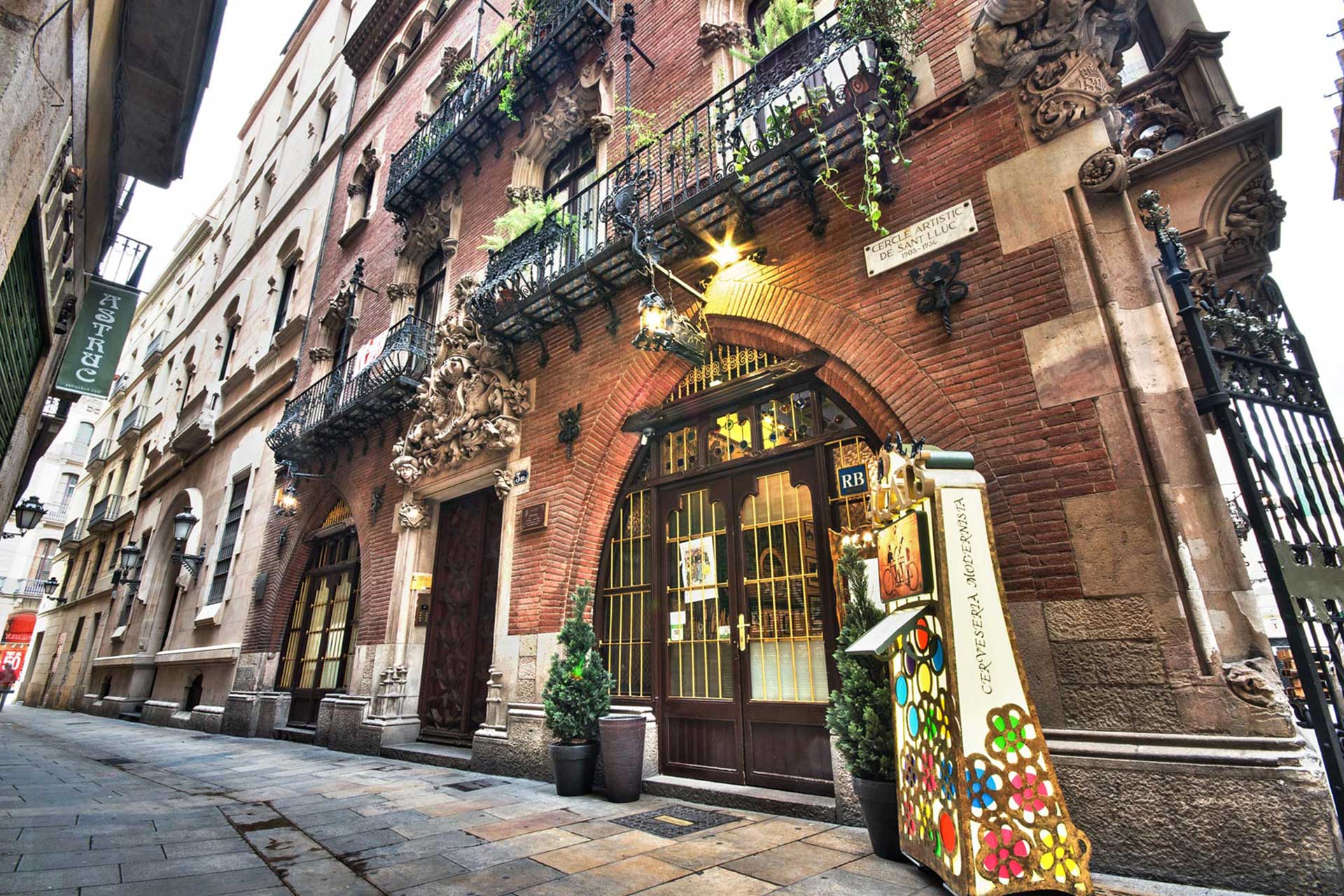
Carrer de Santa Anna, with its uneven stones and gothic archways, seems unchanged since the days when Daniel Sempere first wandered down it in pursuit of forbidden knowledge. Here, the city’s past seeps through every balcony and shutter, and the scent of roasting chestnuts blends with the metallic tang of history. The echoes of the Spanish Civil War linger in the battered facades and the stories whispered by shopkeepers, many of whom are descendants of those who survived or vanished. At dusk, the street is transformed by the golden hush of lamplight, and you can almost hear the footsteps of literary ghosts seeking solace or revenge. This is a street where secrets are currency, and every doorway beckons the attentive traveler to step out of time.
In the quiet amber glow, you wander as if under a spell, each step a memory unfolding beneath your feet.
Els Quatre Gats Café
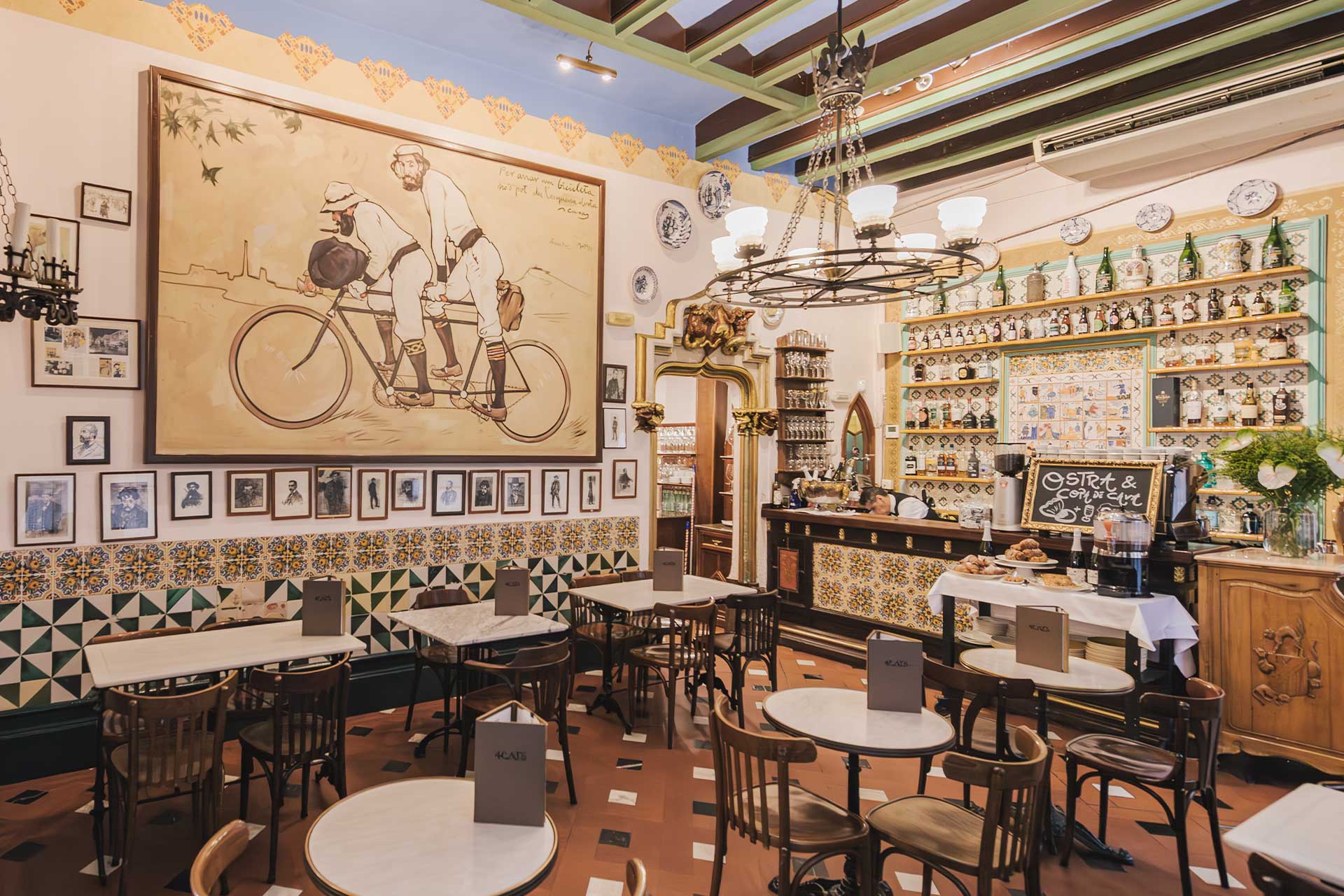
Once a haven for artists and revolutionaries, Els Quatre Gats Café is where Barcelona’s bohemia gathered to debate, dream, and conspire. The ghosts of Picasso and Rusiñol linger in the tobacco-stained air, and the faint clatter of piano keys echoes from a forgotten waltz. The walls are thick with stories—hidden meetings during the Franco years, secret assignations, and the creative fever that once electrified the Modernist movement. Order a café amb llet and let time dissolve as you trace the faded signatures on the walls, each a testament to the city’s restless soul. Here, the city’s artistic heart still beats, and every traveler becomes a participant in its unfinished symphony.
You sit where visionaries once sat, your reflection flickering in the glass like a memory waiting to be written.
Montjuïc Cemetery
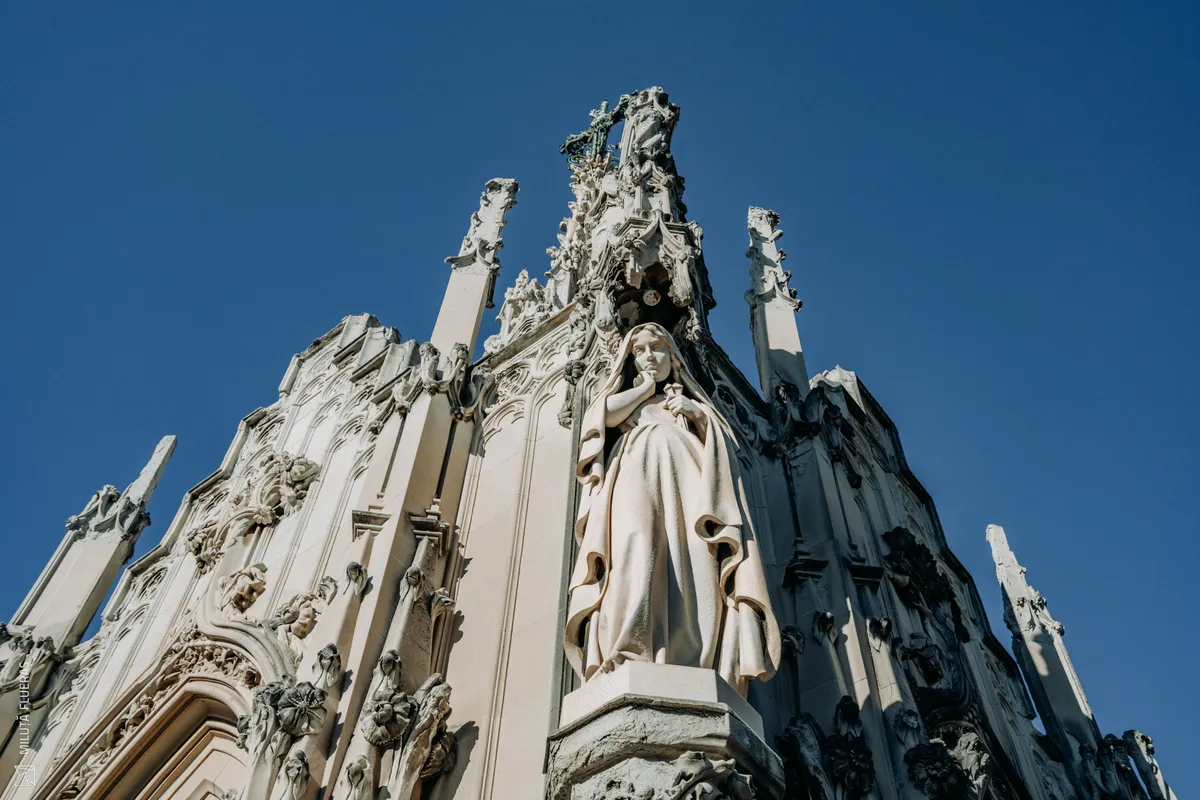
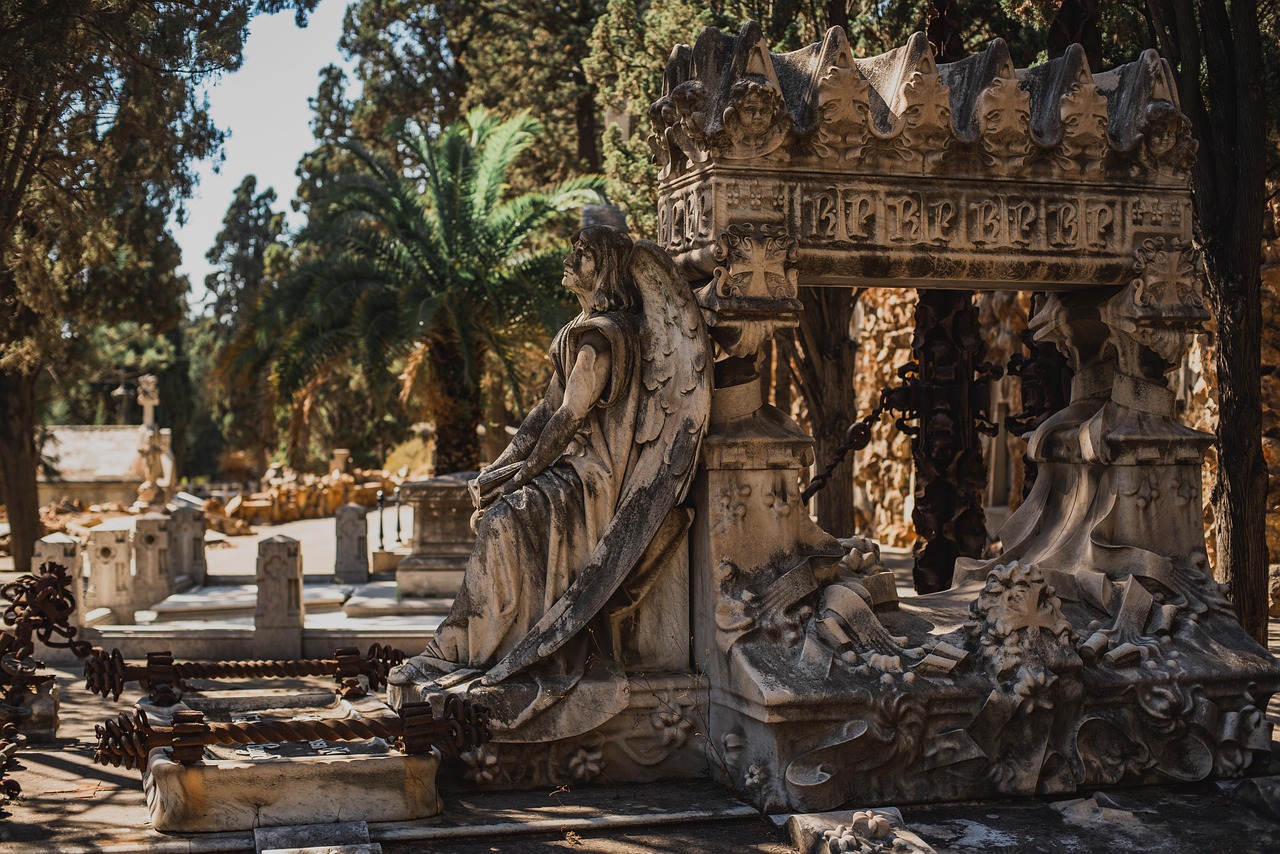
Montjuïc Cemetery rolls down the hillside like a city of the dead, its marble angels and crumbling mausoleums gazing forever toward the sea. Here, the city’s history is etched in stone: names erased by time, tragedies immortalized in art nouveau tombs, and the sorrow of generations laid bare in silence. Catalan legends tell of restless spirits who wander among the graves, seeking closure or redemption. Walk these terraces at dawn when mist blurs the line between past and present. Each grave, each sculpture, is a chapter in Barcelona’s book of mourning—a testament to the city’s endurance through war, plague, and heartbreak. For the slow traveler, this is a place to listen not just for silence, but for the stories that refuse to die.
Standing among shadows and wild rosemary, you sense that every loss here is also a promise—of memory, of love, of never being entirely forgotten.
If you want to experience this in real life:
Contemplate Life & Death on Montjuïc
La Rambla at Dawn
At first light, La Rambla is unrecognizable—a boulevard stripped of spectacle, its mosaic soul laid bare. The sycamores whisper with the ghosts of poets and anarchists, and the first market vendors recall a time when every street corner held a secret. Here, the city’s two faces meet: the spectacle of carnival and the hush of mourning, the exuberance of life and the shadows of loss. Slow travelers who rise before the city’s masquerade can witness the true heart of Barcelona: flower sellers arranging their blooms, newspaper boys with dreams inked on their fingers, and the eternal conversation between stone and sky. Folklore claims that wishes murmured to the wind here will find their way to the sea.
Walking beneath the awakening trees, you feel the city breathe to the rhythm of hope, sorrow, and unspoken promise.
Palau de la Música Catalana
The Palau de la Música Catalana is a riot of stained glass and sculpted stone, a Modernist jewel that sings the city’s longing for beauty and revolution. Built at the turn of the 20th century, it became a gathering place for Catalan nationalist movements, its mosaics and columns vibrating with the passion of poets and dreamers. The ceiling’s great glass dome lets in the shifting light—a metaphor for the city’s hope against the darkness of war and repression. Local legend holds that every concert here leaves a trace in the walls, and that music played in the Palau stirs memories of lost loves and impossible dreams. For the slow traveler, an evening here is a communion with the city’s creative soul, as timeless as the music itself.
As the final note lingers in the golden hall, you sense the city’s longing suspended, fragile and eternal, between silence and applause.
El Ateneo Barcelonés
Within the hushed, wood-paneled rooms of El Ateneo Barcelonés, generations of thinkers have gathered to debate, to defy, and to dream. This 19th-century cultural institution is an anchor for the city’s intellectual life, where revolutions of thought took root beneath the gaze of marble busts. The library’s spiral staircases and labyrinthine stacks evoke the novel’s recurring motif—a search for truth that leads ever deeper into shadow. Here, literary salons and clandestine meetings shaped the conscience of a city, and the ghosts of poets linger in the air like the scent of old paper. To cross this threshold is to inherit a legacy of inquiry and resistance, and for the traveler, to become a part of the city’s living narrative.
As dusk falls through the atrium, you realize you are not just a visitor but an unwritten line in Barcelona’s book of dreams.
BookQuotes
"Books are mirrors: you only see in them what you already have inside you."
"Every book, every volume you see here, has a soul. The soul of the person who wrote it and of those who read it and lived and dreamed with it."
"Few things leave a deeper mark on a reader than the first book that finds its way into his heart."
"People tend to complicate their own lives, as if living weren't already complicated enough."
"Destiny is usually just around the corner. Like a thief, a hooker, or a lottery vendor: its three most frequent personifications."
"There are worse prisons than words."
"A story is a letter the author writes to himself, to tell himself things that he would be unable to discover otherwise."