

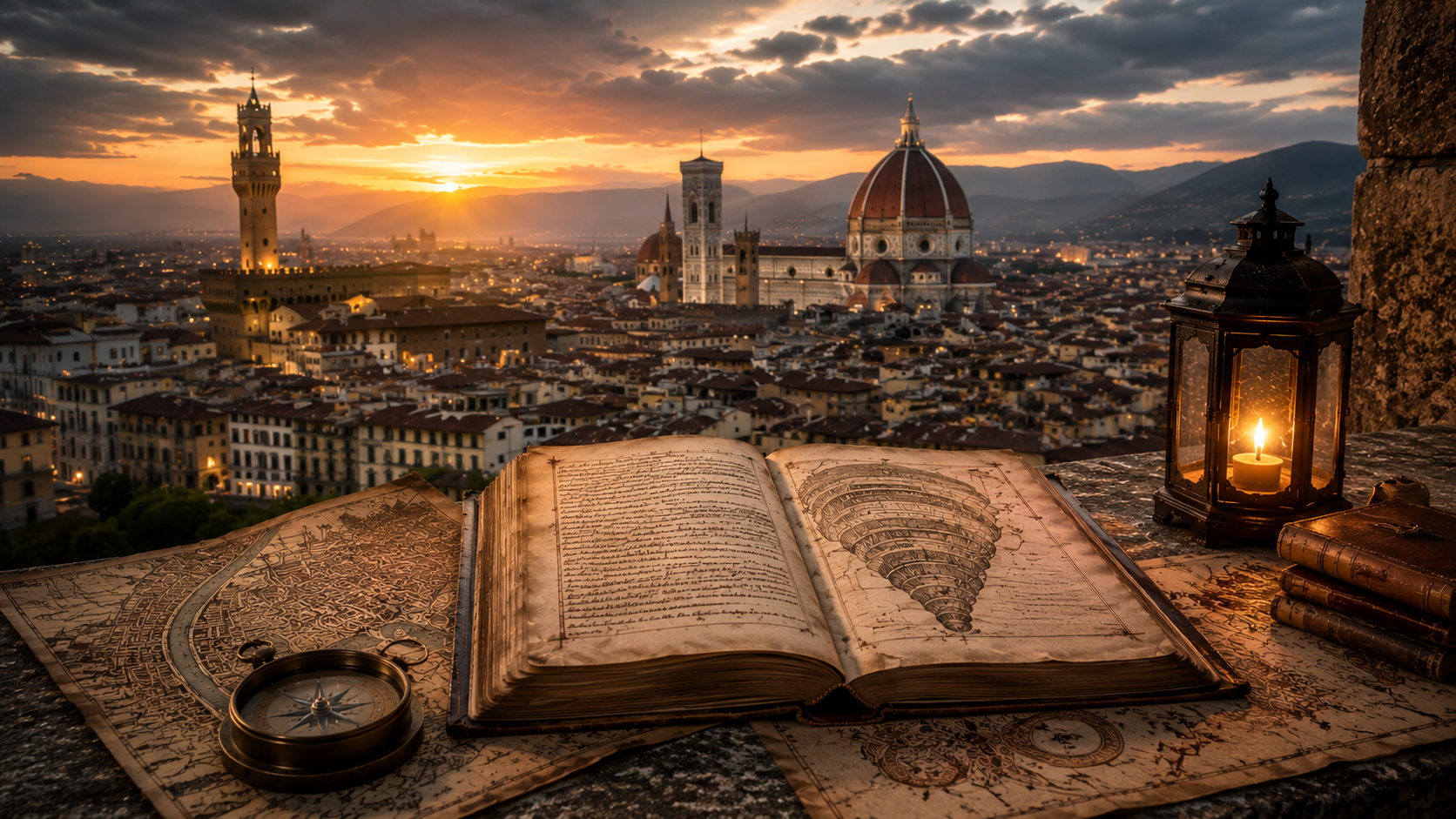
Florence — Palazzo Vecchio
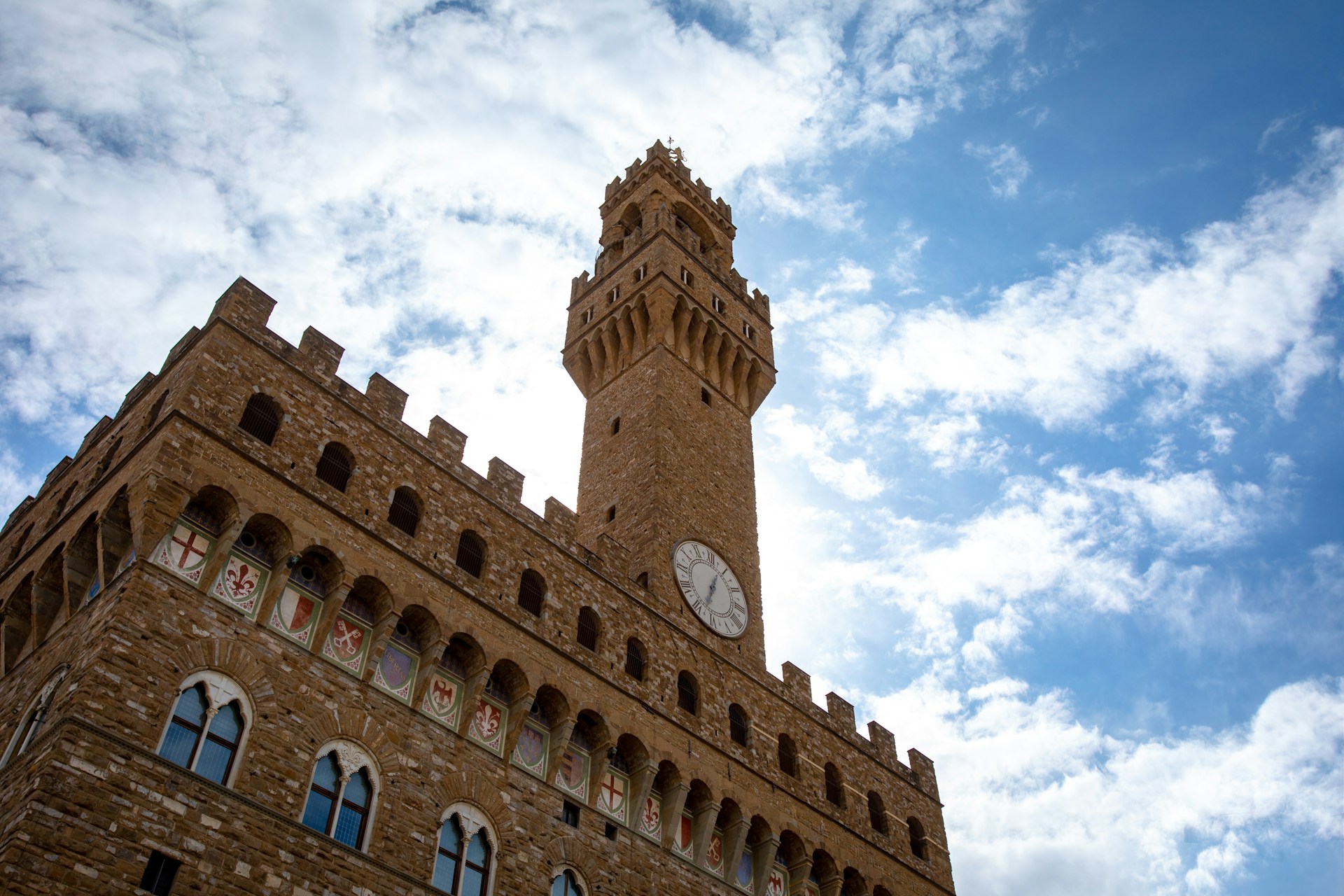
Palazzo Vecchio rises above Piazza della Signoria like a fortress of civic power, political memory, and Renaissance ambition. Built in the late 13th century, it has served for centuries as one of Florence’s most important public buildings, carrying inside it the layered story of republics, dukes, conspiracies, and artistic glory. In the world of Inferno, this is not merely a monument but a chamber of clues, where art and architecture become instruments of suspense. The vast Salone dei Cinquecento overwhelms the visitor with scale and symbolism, while hidden routes and private rooms remind you that power always needs corridors unseen by the crowd. For the slow traveler, this is a place to experience gradually: first from the square at dusk, then from within its painted halls, and finally from the imagination, where every fresco may conceal a second meaning.
Stand beneath its tower as evening gathers, and Florence feels like a secret that has chosen not to reveal itself yet.
If you want to experience this in real life: Explore Palazzo Vecchio and Florence’s Hidden Renaissance Stories
Palazzo Vecchio Official Website
Florence — Boboli Gardens
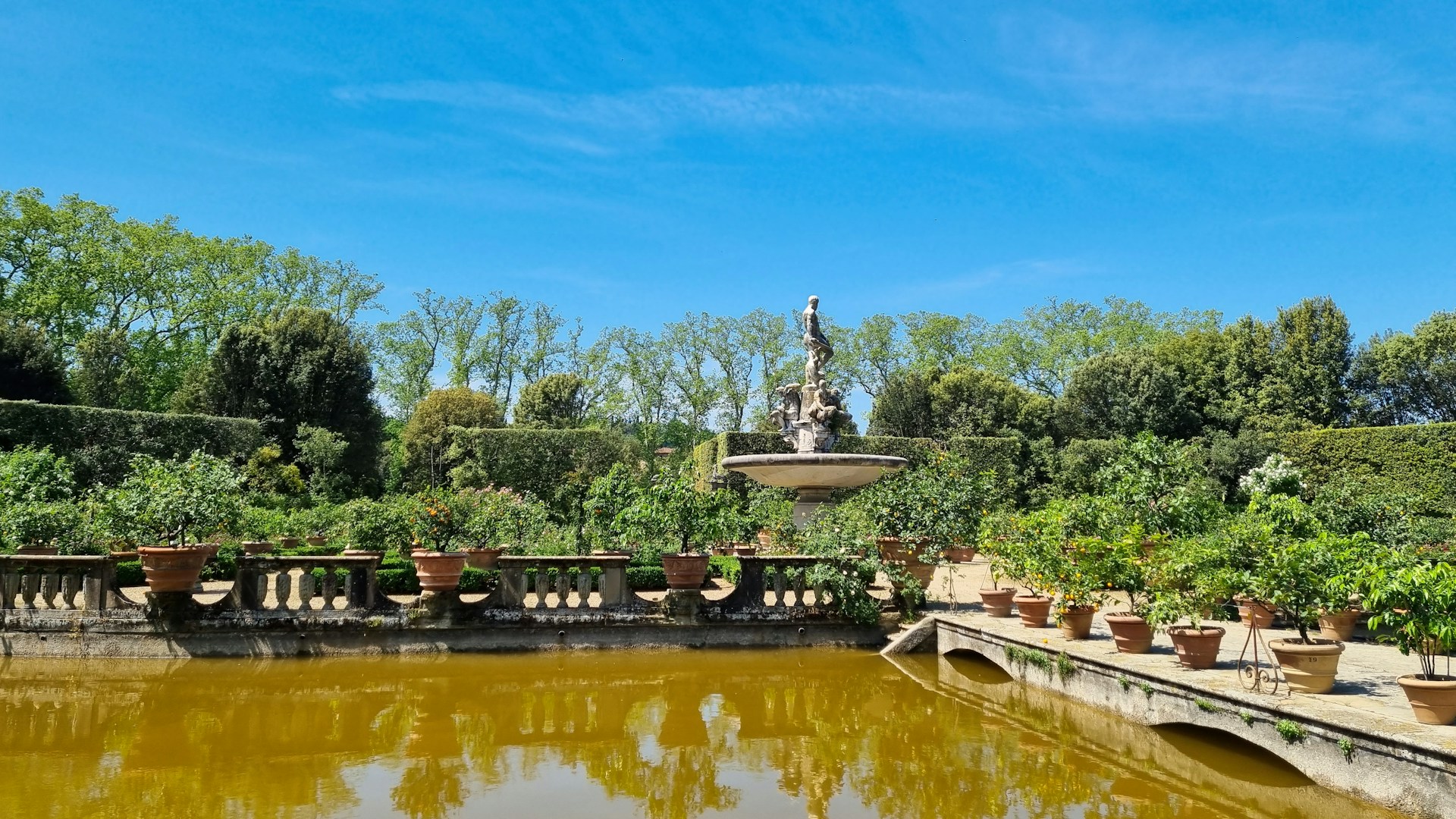
Behind the Pitti Palace, the Boboli Gardens unfold like a symbolic landscape of power, secrecy, and controlled nature. Created under the Medici, these gardens helped shape the model of the Italian formal garden, but they are far more than a pleasant green escape. Their terraces, grottos, sculptures, cypress paths, and hidden corners create the feeling of an outdoor museum where mythology and politics meet beneath the Tuscan sky. In an Inferno-inspired journey, Boboli becomes the place where pursuit turns inward. The traveler leaves the dense city and enters a world of shadowed paths, stone figures, artificial caves, and theatrical perspectives. It is easy to imagine that every turn has been designed not only for beauty but also for concealment.
Walk slowly here, and the garden becomes a maze of silence where statues seem to remember every secret Florence has tried to bury.
If you want to experience this in real life: Wander Through the Boboli Gardens and Medici Landscapes
Boboli Gardens Official Website
Florence — Casa di Dante
Casa di Dante stands in the medieval heart of Florence, where narrow streets still carry the emotional weight of exile, rivalry, poetry, and political wounds. Although the current museum is a reconstruction rather than Dante’s original home, it offers a powerful doorway into the world that shaped the Divine Comedy. Here, the traveler can understand Dante not as a distant literary monument, but as a man formed by a violent city, divided loyalties, and the pain of being cast out from the place he loved. For an Inferno-inspired TalePath, this stop is essential because Dan Brown’s thriller breathes through Dante’s imagination. The museum and surrounding alleys remind us that Hell was not only a theological idea; it was also a political, emotional, and deeply human landscape.
In these stone lanes, Dante’s Hell feels less like a poem and more like a memory Florence still carries beneath its windows.
If you want to experience this in real life: Follow Dante’s Florence Through Medieval Streets
Casa di Dante Official Website
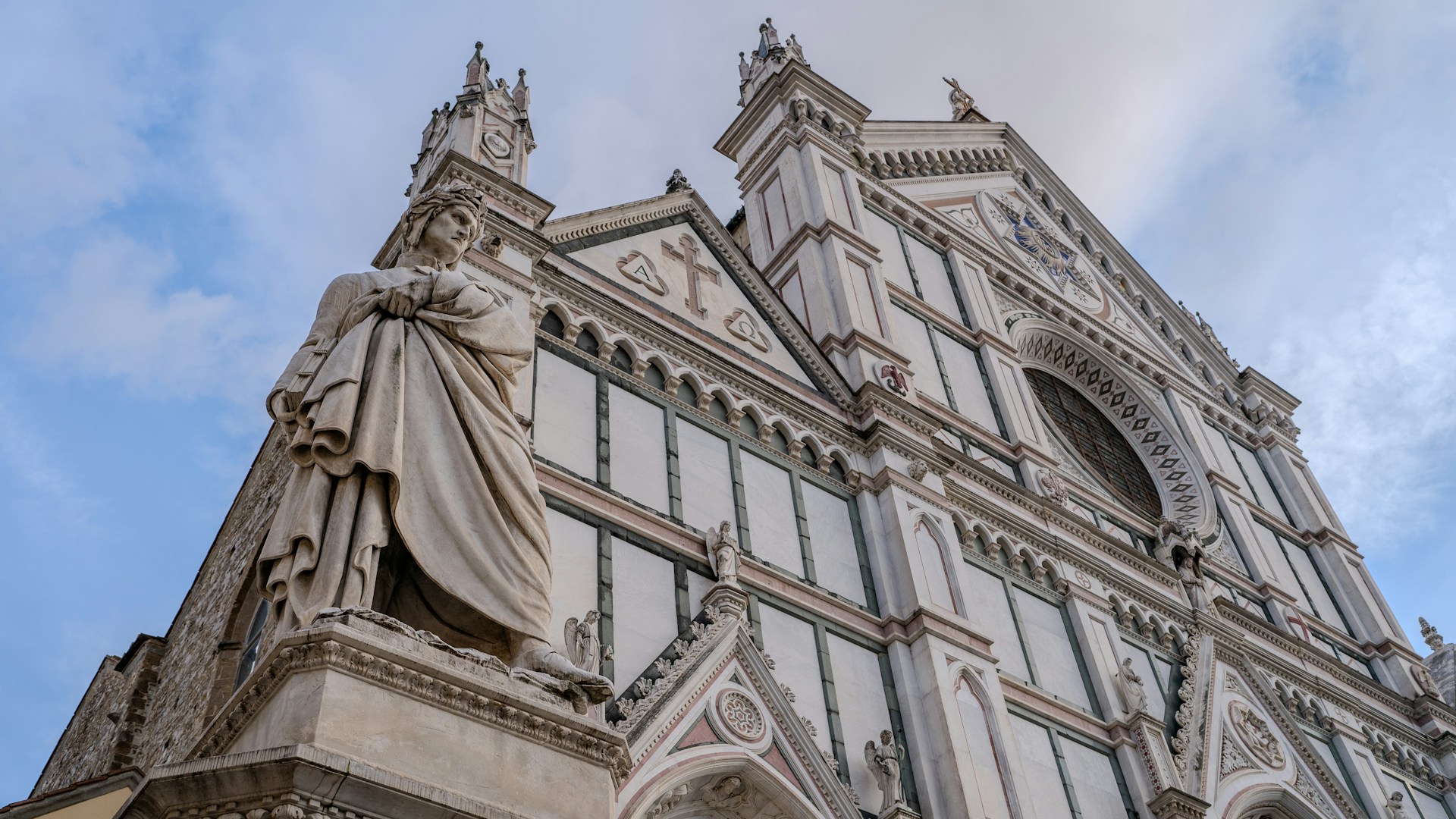
Florence — Baptistery of San Giovanni
The Baptistery of San Giovanni is one of Florence’s oldest and most symbolically charged monuments. Its octagonal shape, marble geometry, golden mosaics, and famous doors create a sacred atmosphere where theology, art, and identity converge. Dante himself was baptized here, and in the Divine Comedy he refers to it with profound personal attachment. For the traveler following the echoes of Inferno, the Baptistery becomes a threshold: a place of birth, judgment, and spiritual architecture. Inside, the great mosaic of the Last Judgment covers the ceiling with angels, demons, punishment, salvation, and cosmic order. It is one of the most direct visual bridges between Florence and Dante’s underworld, making the traveler feel that the idea of Hell was not abstract in medieval life, but painted above people’s heads in gold and terror.
Look upward beneath the ancient dome, and the ceiling becomes a universe where fear, faith, and beauty burn together.
Baptistery of San Giovanni Official Website
Venice — St Mark’s Basilica
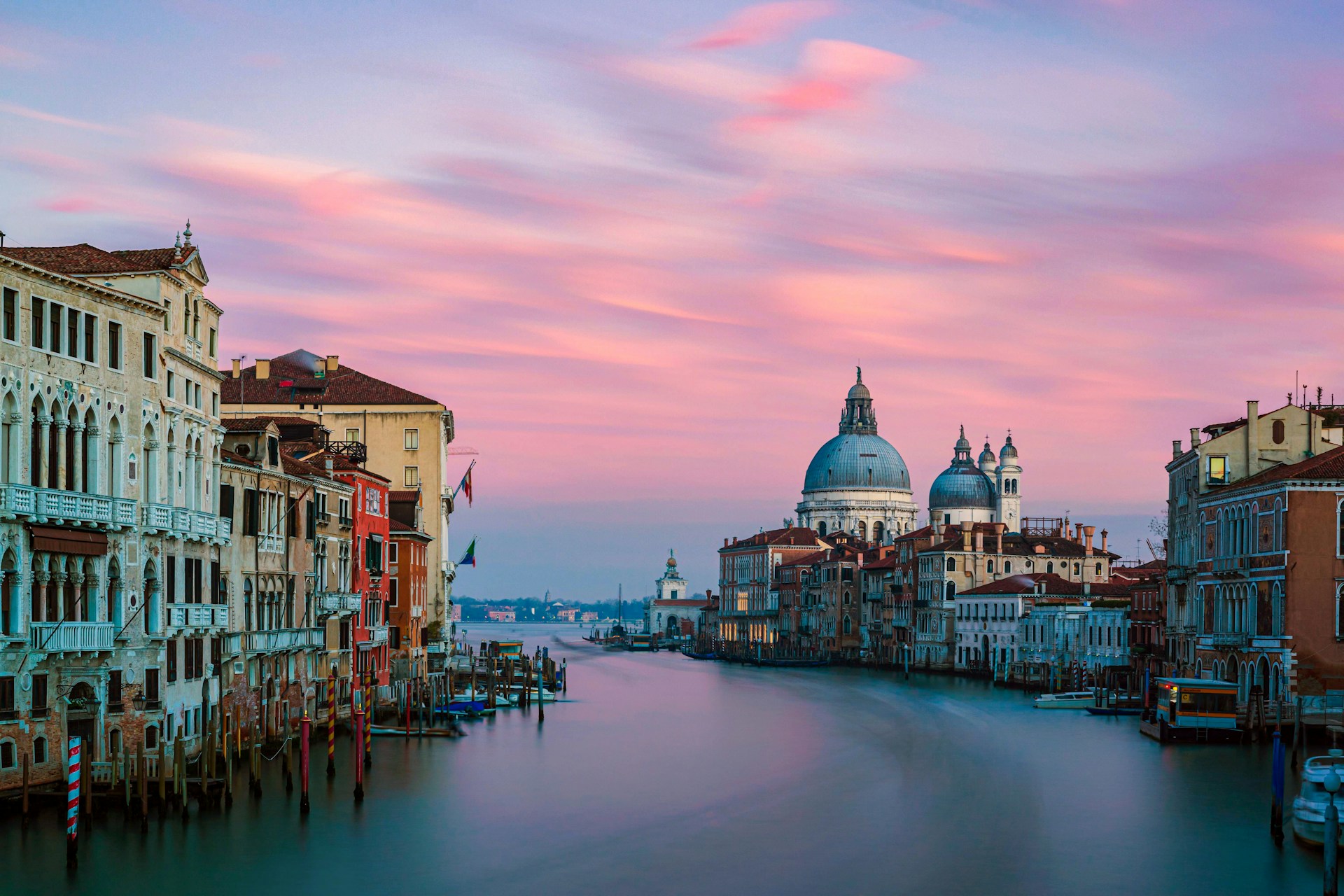
Venice changes the rhythm of the TalePath. After Florence’s stone intelligence and Renaissance order, Venice appears like a mirage: unstable, reflective, theatrical, and ancient. St Mark’s Basilica is the golden heart of this dream. Built as a statement of Venetian power and spiritual prestige, it blends Byzantine, Gothic, and Islamic influences into a monument that feels less like a church and more like a treasure chamber of civilizations. In the emotional world of Inferno, Venice is a city of masks, plague memories, and hidden passages between East and West. The basilica’s mosaics glitter above the visitor like fragments of a celestial code, while outside, Piazza San Marco opens like a stage where merchants, pilgrims, spies, and rulers once crossed paths. For slow travelers, this is a place to visit early, quietly, and with patience.
Here, gold does not simply shine; it remembers ships, saints, wars, and centuries of secrets carried over dark water.
If you want to experience this in real life: Enter Venice’s Golden Basilica and Byzantine Memory
St Mark’s Basilica Official Website
Venice — Doge’s Palace
The Doge’s Palace is Venice’s palace of splendor and judgment, a place where beauty and authority were deliberately fused. Its delicate Gothic façade seems almost weightless from the outside, but within its chambers lies the machinery of a maritime republic that ruled trade routes, negotiated with empires, and guarded secrets with ruthless precision. In the atmosphere of Inferno, this palace deepens the sense of pursuit and hidden knowledge. The traveler passes through state rooms, council halls, prison routes, and the Bridge of Sighs, where condemned prisoners saw Venice for the last time before entering darkness. This is not a place to rush. It rewards those who pause before paintings, study ceilings, and sense how fragile human freedom becomes when power is dressed in beauty.
Cross the Bridge of Sighs slowly, and the lagoon outside feels like the last breath of a world slipping away.
If you want to experience this in real life: Walk Through Doge’s Palace, Prisons and Secret Power
Doge’s Palace Official Website
Istanbul — Basilica Cistern
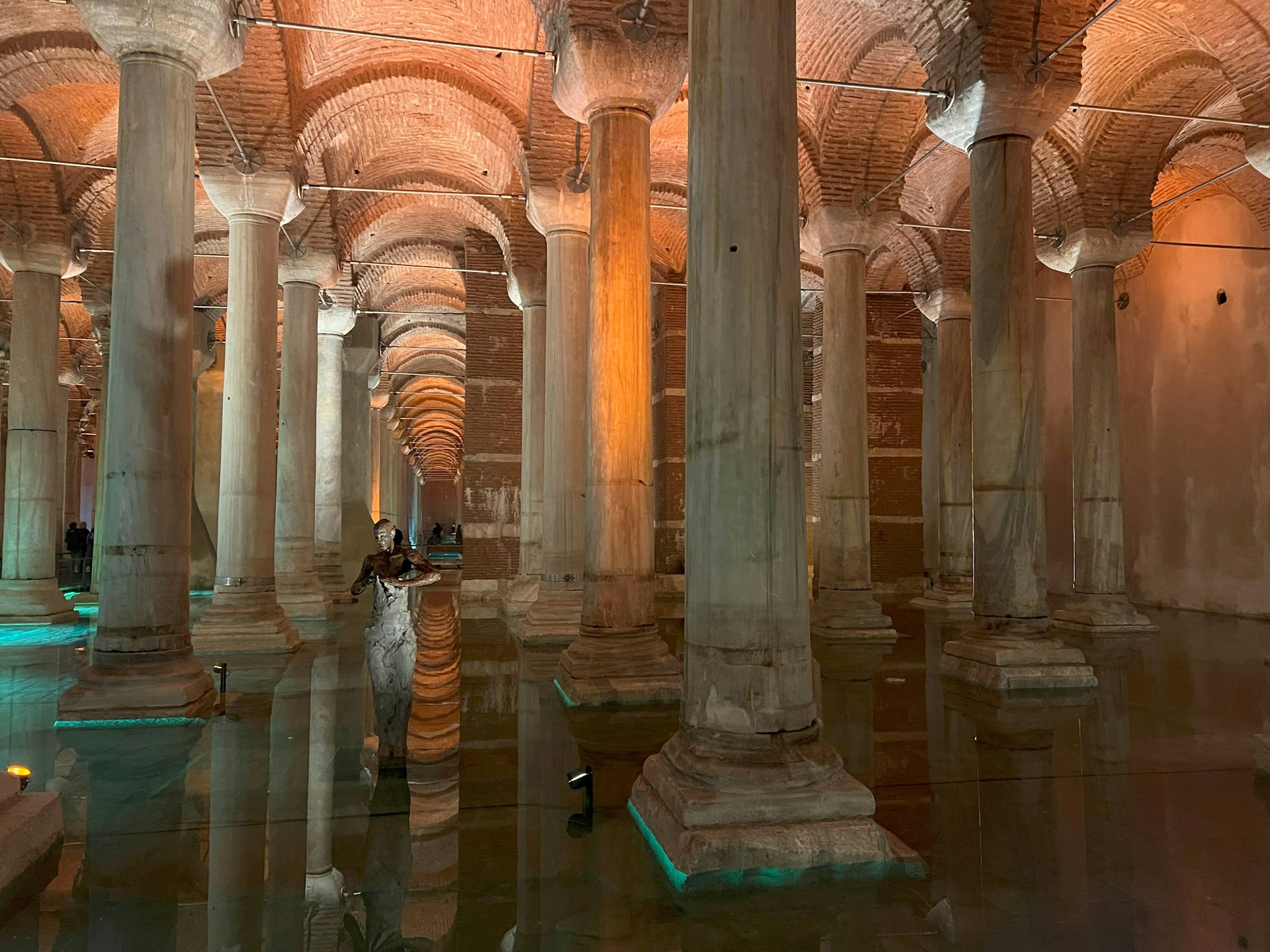
The Basilica Cistern is the final descent of this TalePath, and few places in the world could offer a more powerful conclusion. Built in the 6th century during the reign of Emperor Justinian, this vast underground reservoir once stored water for the Great Palace of Constantinople. Today, its forest of columns, dim reflections, suspended silence, and Medusa heads create an atmosphere that feels almost mythological. In the world of Inferno, this is where history becomes subterranean, where East and West meet not in sunlight but beneath the city’s skin. The cistern carries Byzantine engineering, Roman fragments, Greek myth, Ottoman memory, and modern unease in one breath. For the slow traveler, it should be visited without hurry, allowing the sound of dripping water and footsteps to become part of the story.
In the darkness beneath Istanbul, the journey no longer feels like a route across cities, but a descent into the hidden conscience of civilization.
If you want to experience this in real life: Descend Into Istanbul’s Basilica Cistern and Byzantine Shadows
Basilica Cistern Official Website
Book Quotes
"Seek and ye shall find."
"The darkest places in hell are reserved for those who maintain their neutrality in times of moral crisis."
"Nothing is more creative nor destructive than a brilliant mind with a purpose."
"Humanity is on the brink."
"Time is a river that carries us forward, whether we are ready or not."
"The truth can be glimpsed only by those brave enough to look into the darkness."
What to Bring for This Journey
Quiet tools for travelers who prefer to move slowly, notice more, and carry only what matters.
Recent TalePaths
View all tales
Walking the Camino Toward What Was Lost
Tracing the Dreamer's Path: A Journey Inspired by The Alchemist
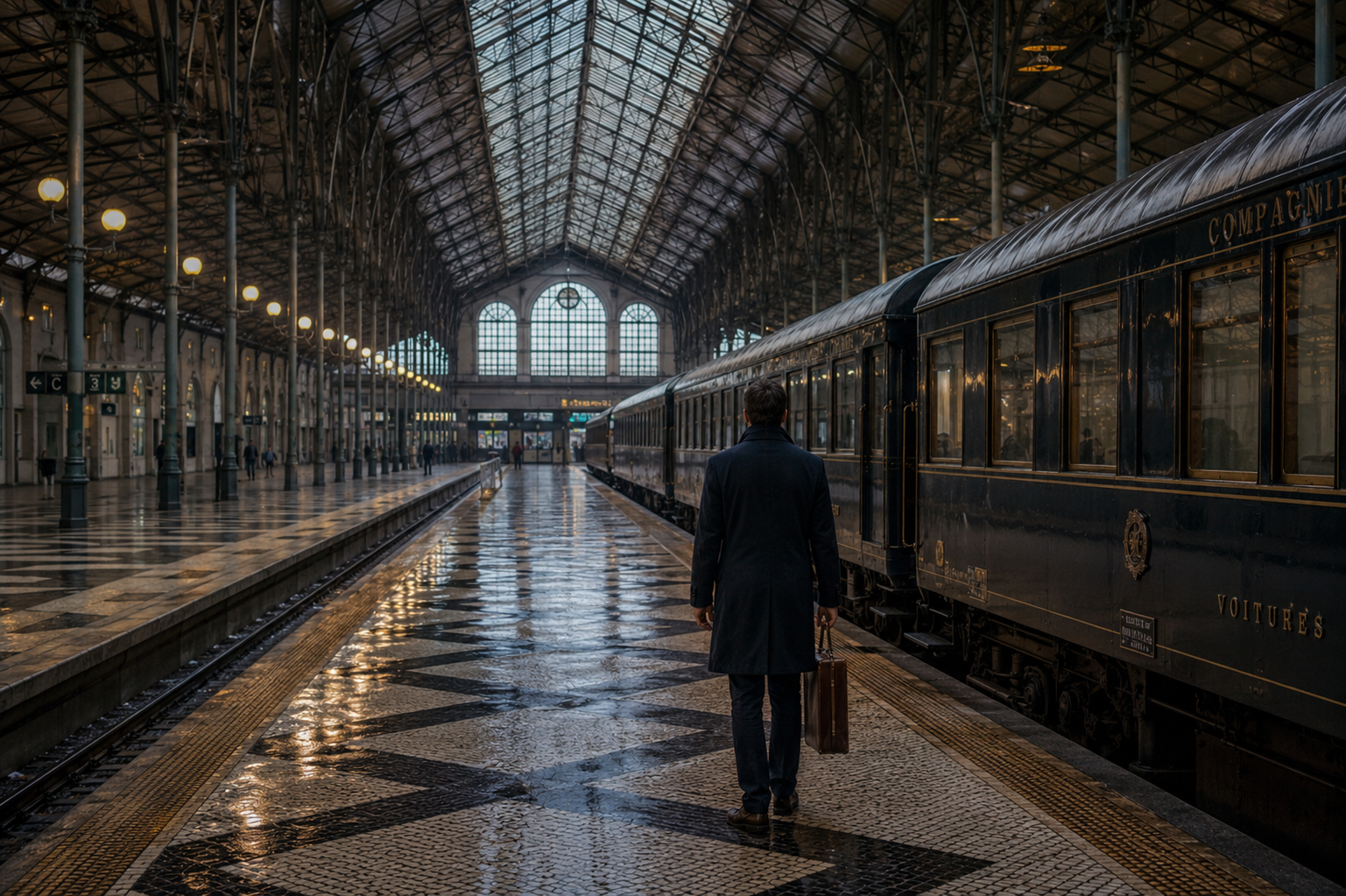
The Last Train Before Dawn