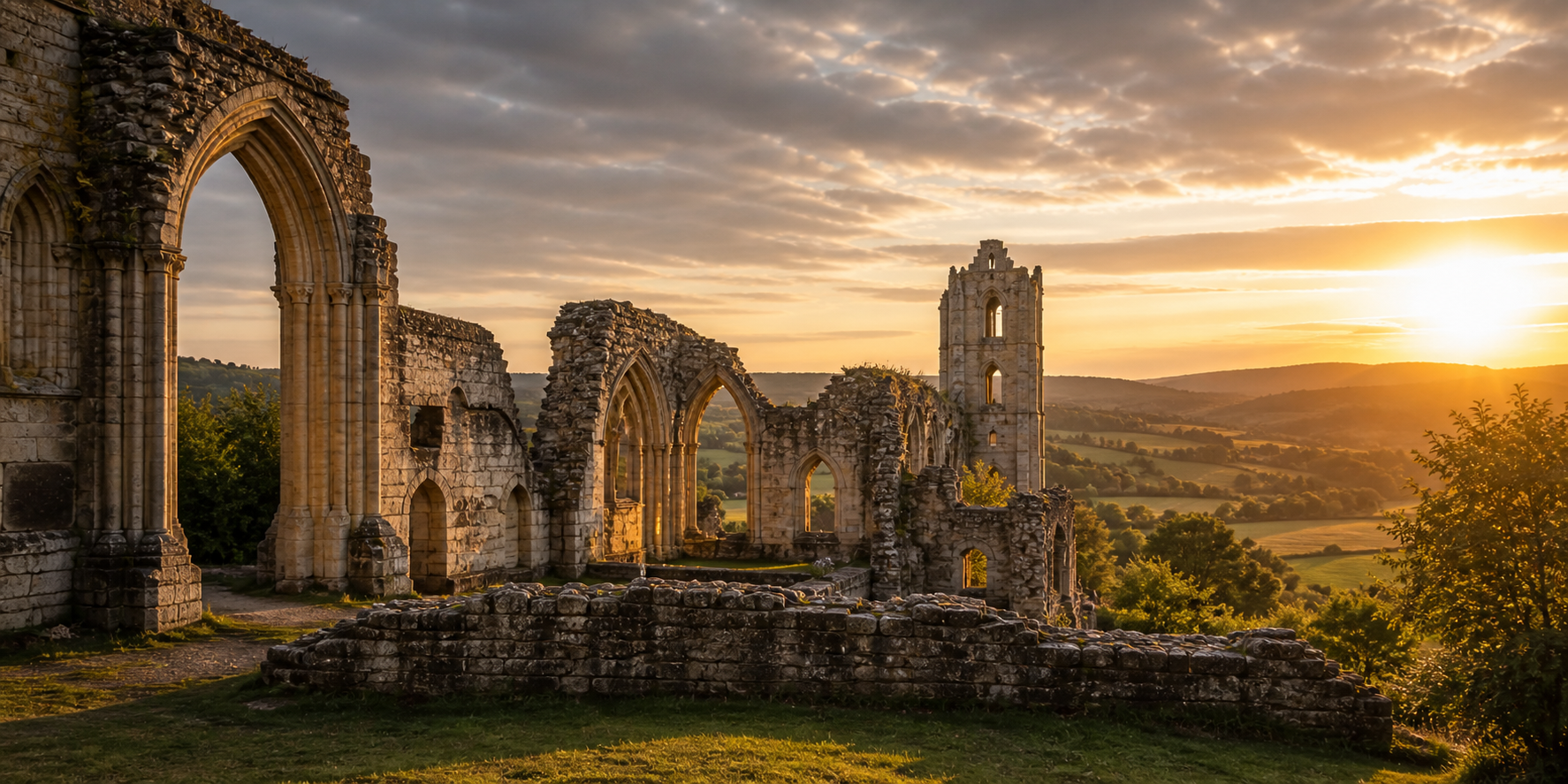
Abbaye de Montglane, France
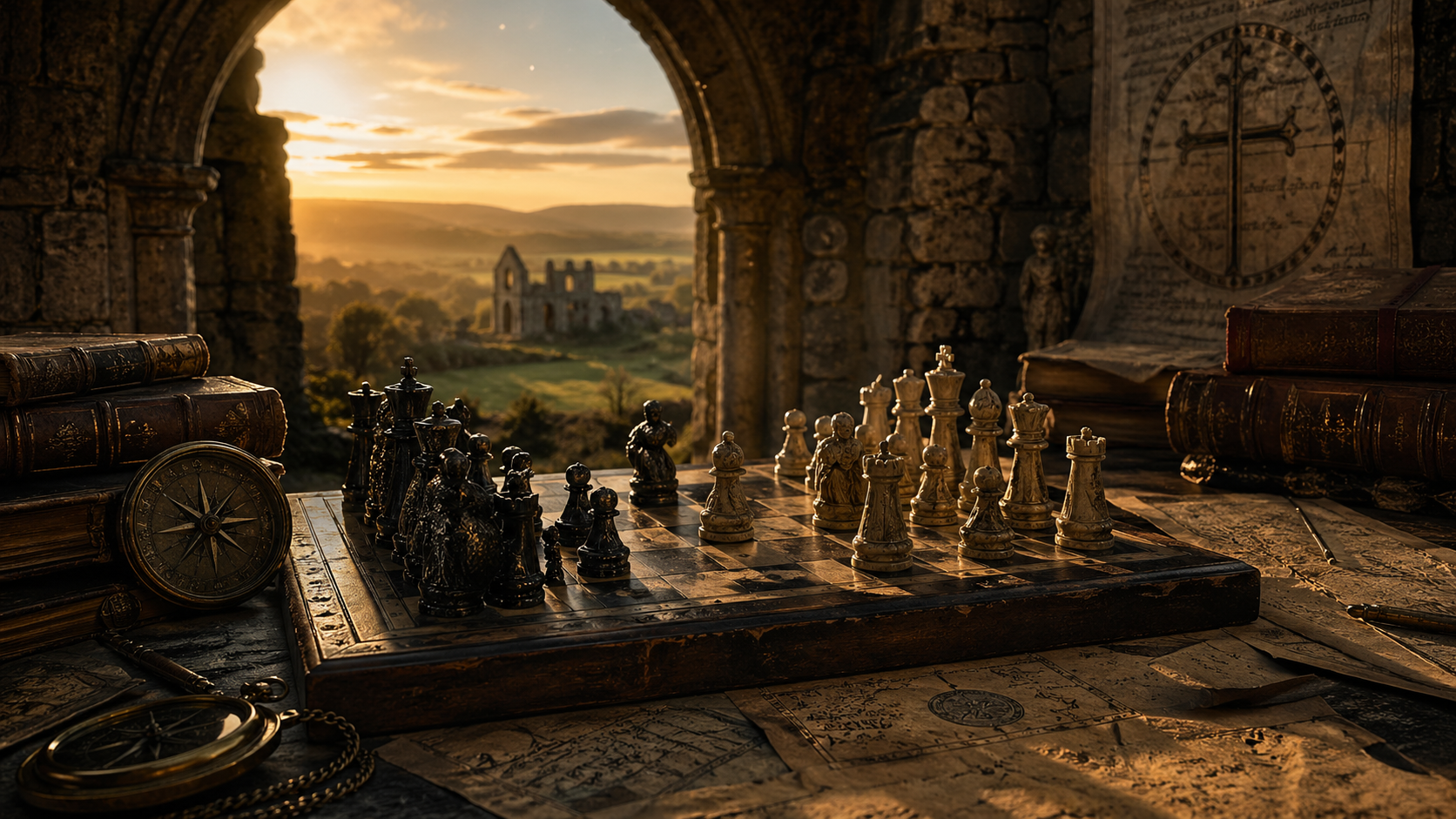
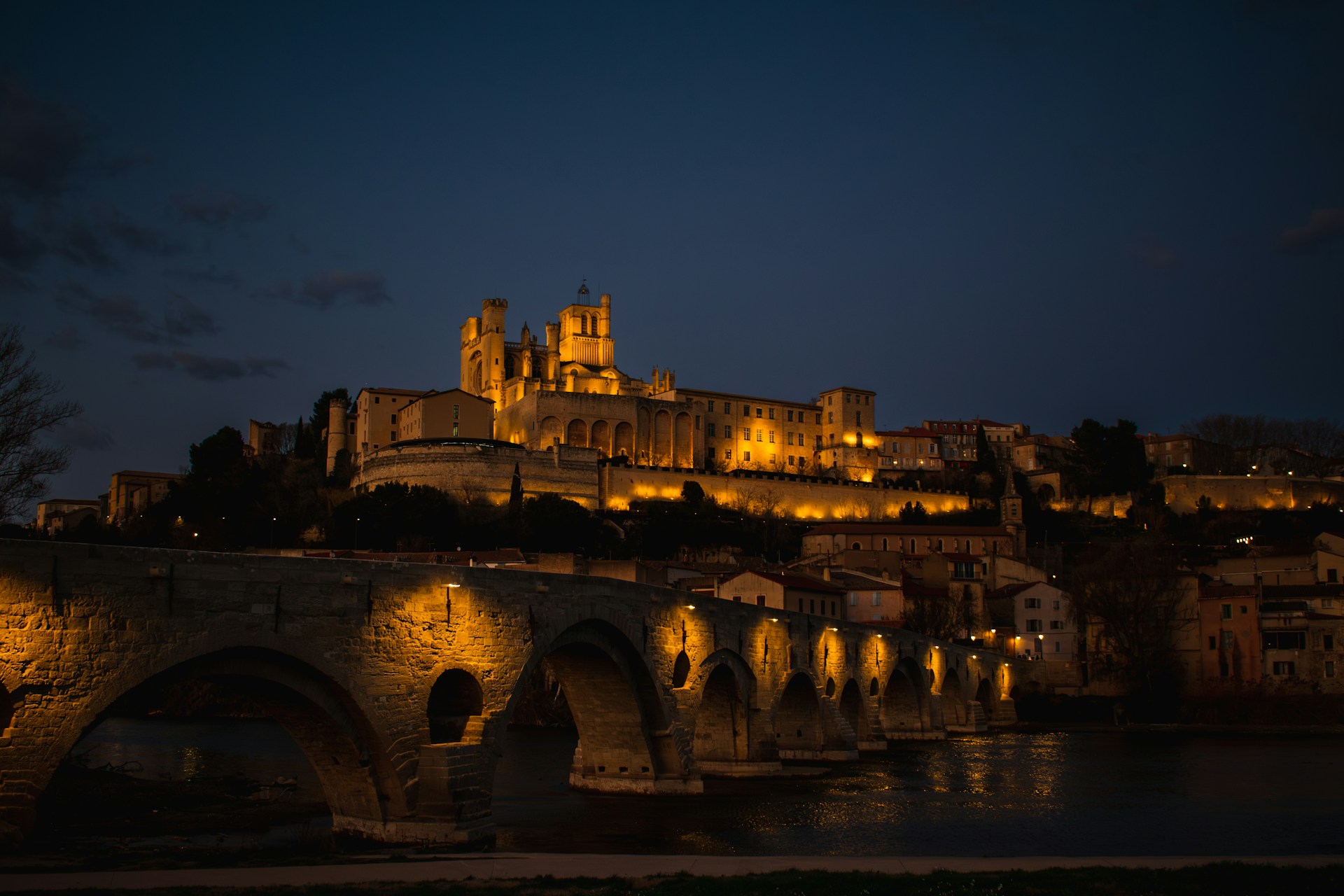
Nestled in the French countryside, the fictional abbey of Montglane draws inspiration from real monastic sites where silence was once a language of power. These abbeys were guardians of knowledge during turbulent centuries, preserving manuscripts, philosophies, and secrets hidden from the outside world. Walking through such spaces today, you encounter not only architecture but the residue of intellectual resistance — places where ideas were protected as fiercely as kingdoms. The abbey symbolizes the beginning of the mystery, a place where sacred knowledge and human ambition collided.
You stand where silence once held the weight of the world, and you feel history watching your every move.
Paris, France
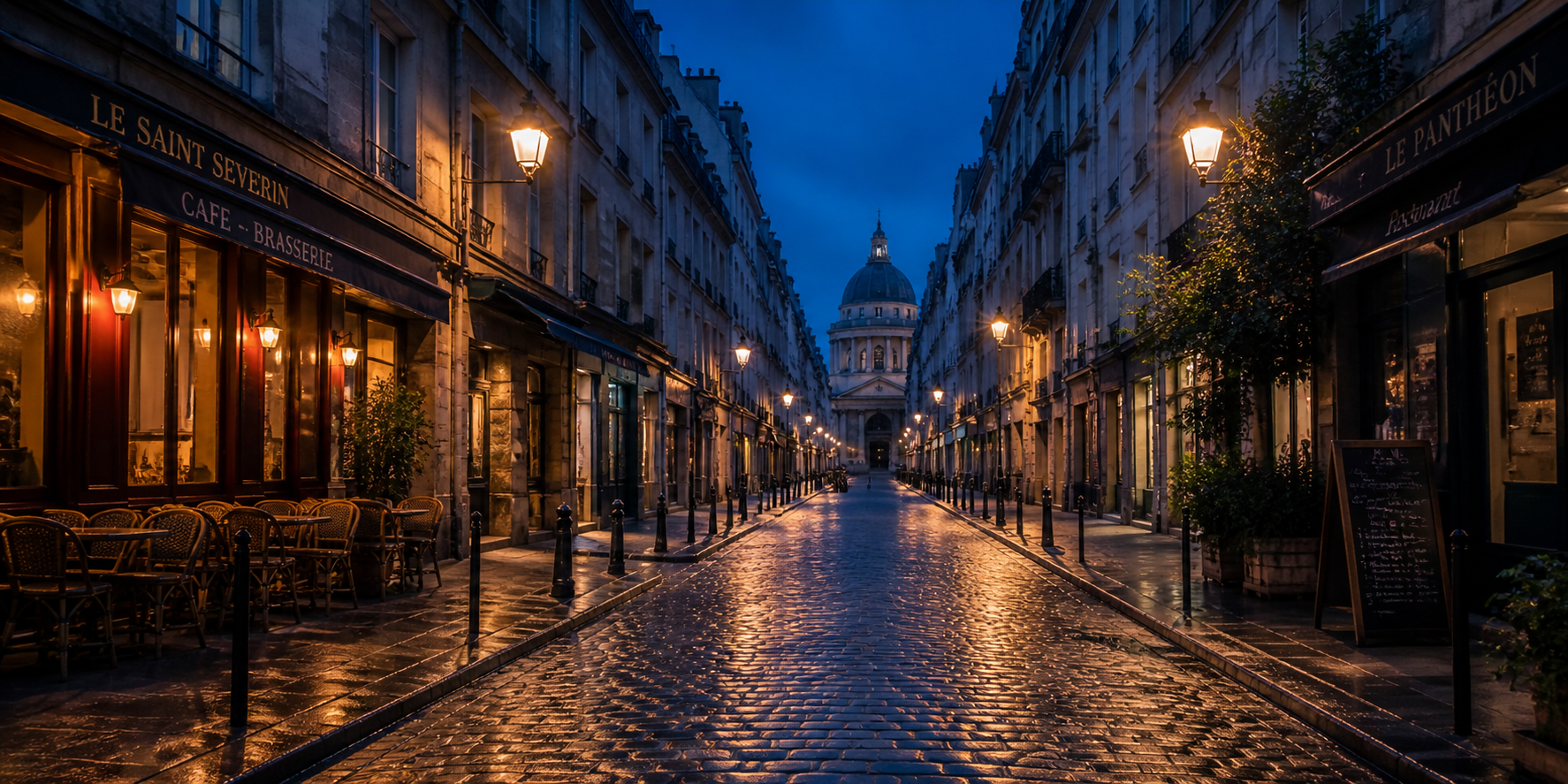
Paris in this journey is not merely a city of romance, but a labyrinth of intellect, revolution, and hidden agendas. Beneath its grand boulevards lies a network of stories — from Enlightenment thinkers to covert exchanges in shadowed cafés. The city's role in shaping political and philosophical thought mirrors the strategic depth of a chessboard, where each movement can alter the course of history. As you wander through the Left Bank and historic quarters, you begin to sense the invisible dialogues that have shaped the modern world.
You walk through Paris not as a visitor, but as a player in a game already in motion.
If you want to experience this in real life: Walk the Hidden Side of Paris
Algiers, Algeria
Algiers introduces a stark contrast — vibrant, chaotic, and layered with colonial and post-colonial identity. Its whitewashed buildings cascade toward the Mediterranean, while its streets pulse with life and tension. The Casbah, a UNESCO World Heritage site, becomes a maze of stories, where resistance, survival, and culture intertwine. Here, the journey shifts from quiet contemplation to dynamic survival, echoing the novel’s exploration of power in unpredictable environments.
You lose yourself in the maze, only to realize the maze has been guiding you all along.
If you want to experience this in real life: Walk the Hidden Paths of Algiers
UNESCO page for the Casbah of Algiers
Constantine, Algeria
Perched dramatically on cliffs, Constantine is a city suspended between earth and sky. Known as the “City of Bridges,” it represents connection — between past and present, East and West, logic and emotion. Historically a center of learning and culture, Constantine reflects the intellectual depth found throughout the TalePath. The bridges themselves become symbols of transition, reminding travelers that every step forward requires crossing into the unknown.
You cross the bridge and feel yourself suspended between who you were and who you are becoming.
If you want to experience this in real life: Cross the Bridges of Constantine
St. Petersburg, Russia
In St. Petersburg, grandeur meets secrecy. Built as a symbol of imperial power, the city’s palaces and canals reflect both beauty and control. It is a place where history has been meticulously orchestrated, much like the strategic moves within a chess game. The Hermitage Museum alone holds centuries of human expression, yet beneath its opulence lies a narrative of power struggles and hidden intentions. Here, the journey deepens into reflection on control, ambition, and legacy.
You wander through halls of power and feel the quiet tension of decisions that shaped empires.
Official Hermitage Museum website
New York City, USA
The modern endpoint of the TalePath, New York represents the convergence of all narratives — ambition, diversity, intellect, and relentless movement. It is a city where past strategies manifest into present realities, where knowledge becomes action. Skyscrapers replace castles, yet the same human desires remain. In this final setting, the journey reveals its ultimate truth: the game never truly ends, it only evolves.
You stand among millions and realize the game continues through you.
Book Quotes
"Everything is a symbol of something, it seems."
"The game is always the same, only the players change."
"Knowledge is power, but only if you know how to use it."
"Time reveals what logic cannot."
"History is written not by chance, but by choice."
"Every move has consequences, even the ones you don’t see."
.jpg)